

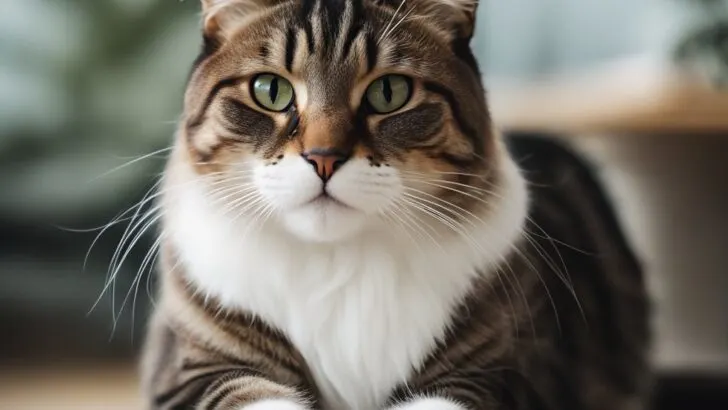
Cats are fastidious creatures, particularly when it comes to their cleanliness. After pooping, they typically engage in self-grooming to ensure their hygiene is maintained.
This meticulous behavior involves your cat using their tongue, which is equipped with tiny, hook-like structures called papillae, to lick and clean their behind.
Their tongues aren’t the only tools at their disposal; cats also use their paws, which can function like a comb, to reach areas that are harder to clean.
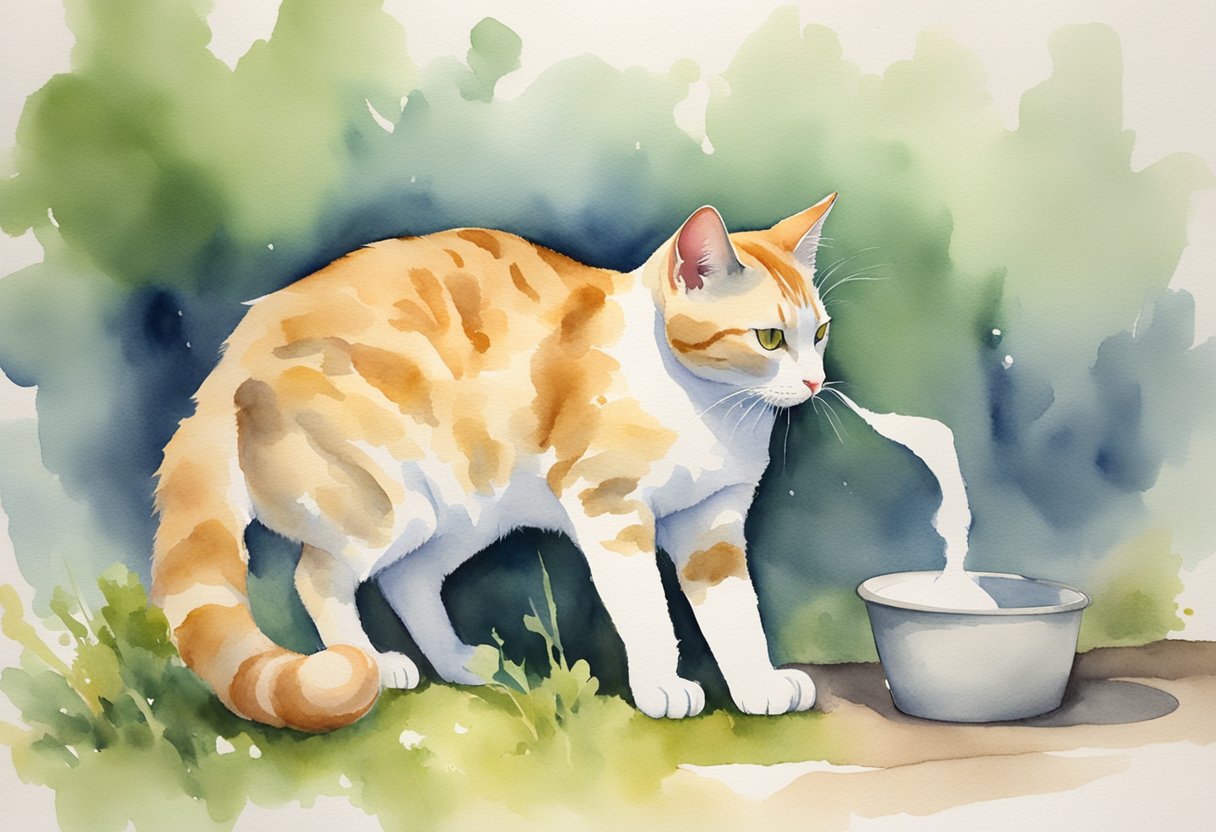
As a cat owner, you may observe your pet dedicating a considerable amount of time to grooming throughout the day.
Beyond personal cleanliness, this behavior helps cats eliminate odors that may attract predators. Whether they’ve just finished using their litter box or they’ve been out and about, cats will instinctually clean themselves to ensure they are spotless. It’s a natural instinct that keeps them safe and healthy.
Sometimes, though, certain situations like old age or health issues may prevent a cat from grooming thoroughly.
In these cases, they might need a bit of assistance to stay clean. It’s not uncommon for long-haired breeds or cats with mobility issues to require some extra help from you to remove any fecal matter that may have become stuck to their fur.
The Cat Grooming Process
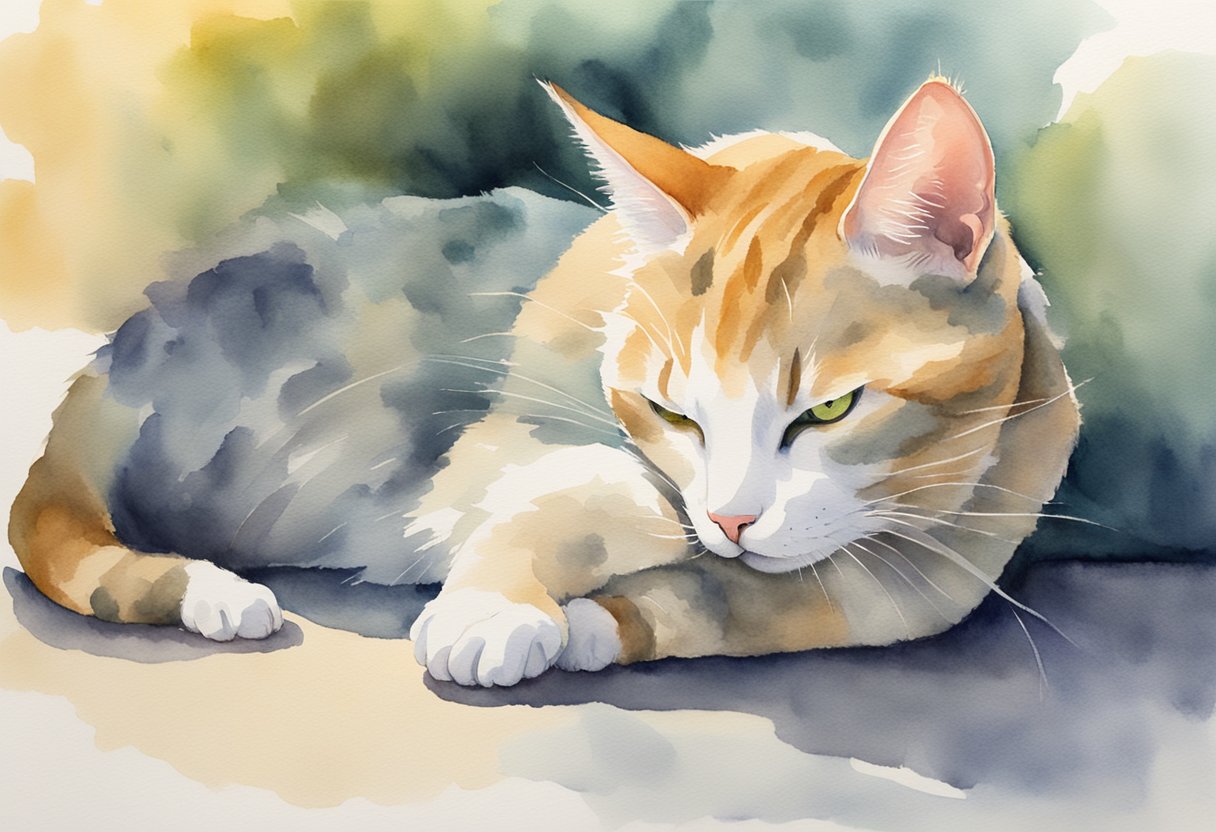
Cats are renowned for maintaining a high level of personal hygiene, and their post-elimination cleaning routine is indeed a sophisticated process involving innate behavior and unique biological tools.
Anatomy of Feline Tongue
Your cat’s tongue is an extraordinary grooming instrument. Covered with tiny barb-like protrusions called papillae, made of keratin – the same material as human fingernails – it’s perfectly designed for grooming.
The tongue’s rough texture ensures effective removal of loose fur and dirt, while its wetness, provided by saliva, helps to clean and cool the skin. This saliva also contains enzymes that reduce bacteria, contributing to your cat’s overall hygiene.
Cleaning Techniques and Behavior
Following a bathroom event, your cat will generally start cleaning itself, usually beginning with the paws. Paws act as natural brushes, assisting in wiping the face and behind the ears.
Your cat will then typically move on to licking its fur and buttocks, using its tongue to reach and clean the area where waste was eliminated. This act of licking not only cleans but also spreads natural oils across the fur to maintain a healthy sheen and to distribute the cat’s unique scent.
When observing your cat, you may notice it licking the fur in the direction of its growth; this not only keeps the fur clean but can also prevent skin irritation. If, however, you notice excessive grooming or any sign of health problems such as bare patches of skin, it’s wise to consult a vet.
Importance of Regular Grooming
Regular grooming is essential for your cat’s health. This constant behavior wards off parasites and reduces the chance of skin diseases. It also helps prevent hairballs, which could lead to digestive issues.
If needed, you can supplement your cat’s grooming with a soft, bristle brush to help with tangle-prone areas or to lessen the fur swallowed during self-grooming.
While cats are generally clean animals, for some breeds or individuals which may struggle to groom themselves effectively due to health issues or old age, you might need to give a gentle bath or consult the vet regarding their hygiene routine.
Post-Defecation Cleaning and Health
In the meticulous world of cats, cleanliness is paramount, especially after they have used the litter box. Your furry friend instinctively engages in self-grooming to maintain health and hygiene.
Understanding Fecal Cleaning
Cats have adapted an efficient method of self-grooming that includes cleaning after pooping. Using their tongue, which is equipped with papillae (tiny hook-like structures), they meticulously remove any feces that may have clung to their fur. Their paws also play a crucial role as they often wipe away any excess, acting as natural combs.
Health and Hygiene Considerations
The act of grooming after defecating is not solely about cleanliness; it is tied closely to your cat’s health. Regular self-grooming can help prevent infections and reduce the risk of parasite infestations. A clean coat and skin are less likely to harbor bacteria.
However, if you notice any change in your cat’s grooming habits or cleanliness, this might be indicative of health problems, and a vet should be consulted.
- Keep an eye on the litter box to ensure it’s clean.
- Observe your cat’s grooming; it can reflect their overall health.
Managing Grooming Challenges
Some cats face difficulties with self-grooming due to various reasons, such as arthritis, being overweight, or having long fur. In these cases, you may need to assist them with regular grooming to prevent skin lesions or infections from feces trapped in their fur.
- Long-haired cats might benefit from occasional professional grooming.
- Elderly cats or those with mobility issues may require your gentle help with cleaning.
- Adjustments in diet can influence the cleanliness post-pooping, as softer stools are easier to clean.
Maintaining your cat’s hygiene is vital for their overall well-being, enhancing their quality of life and ensuring that the little purrs and head bumps are free from the worry of post-pooping cleanliness challenges.
My name is James, and welcome to FAQCats!
Along with our team of cat owners, expert pet enthusiasts, and pet professionals, we aim to write engaging helpful, engaging content about cats. At FAQCats we strive to provide content that’s accurate and fun to read. Our team writes about everything related to cats; even the most complex of topics. Through extensive research and caring for our own fur-pals, we’re able to provide something cat owners worldwide will love. Have a look around, and leave us feedback anytime!