

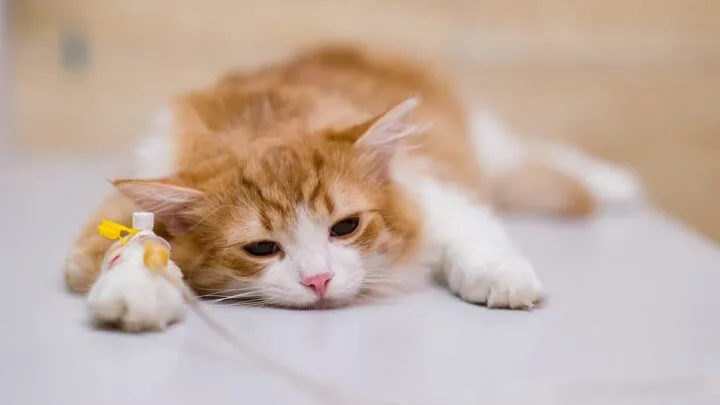
Kittens generally start receiving their core vaccinations between six to eight weeks of age. It’s difficult to see your fur baby brave needles, but what comes after the shots is no easier for cat parents to bear. Felines may face mild to moderate side effects resulting from vaccines, and feline lovers often take to the internet asking: how long are cats sore after shots?
Cat vaccinations can either be subcutaneous (under the skin) or intramuscular (muscle). Sometimes these shots can lead to soreness around the injection site, but the pain usually subsides within two days. If a cat is lethargic or in pain after 48 hours have passed, it’s best to have your pet looked at by the veterinarian.
If you’re a cat owner who’s on the lookout for an exhaustive guide related to feline vaccinations and possible side effects, you’ve come to the right place. This article will highlight why cats can feel pain after shots, other reactions, and how you can help your fur baby feel better.
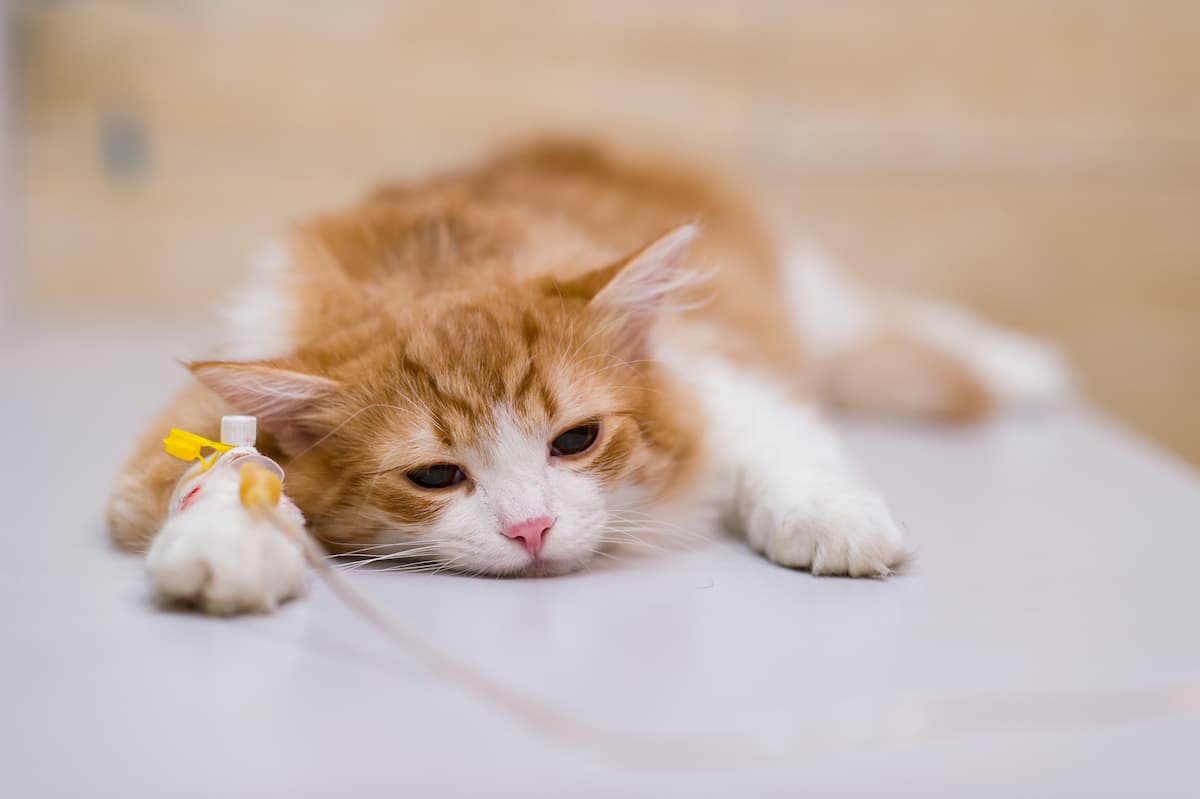

Is It Normal For A Cat To Be In Pain After Shots
Feline immunizations are necessary to keep certain diseases and illnesses at bay. These vaccinations are designed to help your pet’s immune system gear up against nasties like feline distemper and leukemia and keep your kitty hearty and hale.
However, cat vaccinations can also be a less than pleasant experience, much like human vaccines. Besides the sting of the needle poke, the administration of the medication can cause mild irritation as a cat’s body absorbs it. And, the injection site itself can be sore or painful for a day or two.
More often than not, cats receiving intramuscular injections (IM) are likely to feel soreness or pain at the injection site. That’s because these shots are designed to be delivered into muscle tissue. A feline’s muscle, much like ours, has veins, nerves, and arteries running through the muscle, which means even the slightest sting can feel aggravated.
Besides that, IM injections aren’t without risks because, unlike subcutaneous injections, improper administration can lead to damage to blood vessels or nerves. That’s why experts advise a checkup if your feline is still displaying signs of being in pain two days after the shot has been administered.
Do Cats Feel Unwell After Vaccinations
Cats can develop mild to moderate side effects after getting immunized; however, these generally lessen over 24 to 72 hours. Depending on the type of vaccination your kitty is receiving, side effects can include:
- Lethargy
- Swelling and soreness at the injection site
- Lethargy
- Loss of appetite
- Diarrhea
- Vomiting
- Lameness
At times, felines can also develop a slight bump around the injection. While a small bump is a normal reaction to getting a vaccination, cat owners are advised to watch closely and look out for red flags like infection or oozing. If the lump doesn’t subside in seven days or if you notice it getting bigger, have your cat checked out by the veterinarian to ensure there’s no serious concern.
In extremely rare situations, cats can experience allergic reactions to vaccinations. Typically, mild symptoms will include swelling around the lips or eyes, hives, skin redness, and irritation. However, severe reactions can include weakness, breathing difficulties, pale gums, etc. If your cat exhibits any such symptoms, contact your veterinarian immediately.
All vaccinations tend to cause some mild effects, including human ones. That’s why pet parents shouldn’t fear having their cats immunized. Feline vaccinations may be troublesome, but they’re designed to help boost your pet’s immunity. They’re a necessary part of your pet’s care and maintenance requirements and shouldn’t be overlooked.
Is It Normal For A Cat To Have A Lump After A Vaccination
It’s not uncommon for cats to develop a lump at the injection site. These bumps are caused by immune stimulation (your pet’s body reacting to the vaccine) or inflammation and aren’t anything to worry about.
Post-vaccine lumps generally subside within a week; however, it can also take up to three months for these to completely dissolve.
If you feel a lump under your feline’s skin between the lower neck, lower back, or upper hind leg area after the three-month mark, it’s best to take your cat to a veterinarian. That is even more true if you suspect the lump is more than 2cm or growing in size.
Lumps present near the vaccination area after three months or more may be feline injection-site sarcoma (FISS). These are aggressive fibrosarcomas and may metastasize 25 percent of the time.
Your veterinarian will likely recommend a biopsy to discover whether the tumor is benign or malignant. Your vet will highlight treatment options once the diagnosis has been made, including surgery, radiation, and chemotherapy.
What Happens If You Don’t Vaccinate Your Cat
Not vaccinating your cat can leave it exposed to a whole host of feline viruses that can severely affect its health or, in severe cases, cause death.
Vaccines are designed to expose your pet’s immune system to a specific virus or infection to allow your cat’s white blood cells to understand the threat and develop antibodies accordingly. These antibodies eventually target the disease and other infected cells and destroy them.
Vaccines train your pet’s body to remember the infection and how to fight it in case it reoccurs. That’s one reason why a few side effects are attached to vaccinations because it stimulates an immune response.
The reluctance of cat parents to see their fur babies in pain is understandable. However, avoiding vaccine shots can leave your kitty exposed to diseases without the right type of antibodies to repel them.
Felines that aren’t vaccinated in kittenhood can contract illnesses like feline calicivirus (upper respiratory infection with mild to severe strains), feline distemper (contagious and often lethal virus), feline leukemia (an incurable deadly virus), and many others.
Things To Consider
Cat owners may not be able to stop their pets from feeling the pain and side effects of vaccinations. Nonetheless, feline caretakers can adopt several measures to help their fur babies feel better once they’re home again. Here’s how:
- Lack of appetite is a pretty common side effect of shots in felines. If your pet happens to display inappetence after being immunized, don’t worry. Instead, try and tempt your pet into eating a few bites by warming up some wet cat food. Warm cat food has a better chance of appealing to your fur baby because it has a more pungent smell.
- Depending on the vaccination, feline parents can also expect their cats to experience soreness or a slight fever. It is best to set up your pet’s bed near its food and water bowl in such cases.
- Cats often prefer to be alone when they’re not feeling well. If you notice your feline seeking out its selected hiding spots, don’t stop it from seeking its own company.
- Don’t try to tempt your pet to play in order to keep its mind off the pain. Let your pet rest or sleep as much as it wants, as it’ll heal faster this way.
- Keep checking on your pet regularly to see if it’s doing fine. If you notice symptoms like shortness of breath, pale gums, diarrhea, vomiting, or high fever, contact the vet’s office.


My name is James, and welcome to FAQCats!
Along with our team of cat owners, expert pet enthusiasts, and pet professionals, we aim to write engaging helpful, engaging content about cats. At FAQCats we strive to provide content that’s accurate and fun to read. Our team writes about everything related to cats; even the most complex of topics. Through extensive research and caring for our own fur-pals, we’re able to provide something cat owners worldwide will love. Have a look around, and leave us feedback anytime!