

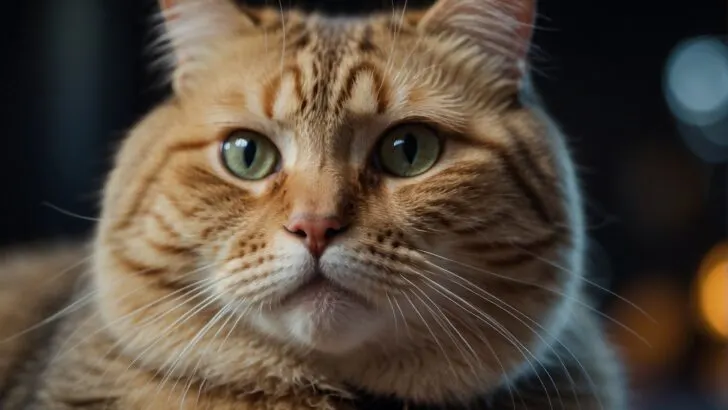
Discovering that your cat’s tummy is abnormally round and bloated can be quite concerning. You may notice that after a particularly robust dinner, your feline’s belly seems unusually swollen.
In some cases, it might just be a sign of a little overindulgence or even a natural feature of their anatomy such as a primordial pouch, which I’ve observed even in lean breeds. However, feline bloating could also indicate a more serious health issue, and it’s important to differentiate when it’s harmless and when it requires a vet’s attention.

Bloating in cats can have several causes, ranging from harmless to requiring immediate medical intervention.
In young kittens, a round belly is often a normal sign of a full stomach, but in adults, a sudden case of bloating might point to underlying conditions.
From my experience managing a bloated belly in a feline friend, simple issues like minor dietary indiscretions or harmless gas can lead to bloating. However, I’ve also learned about more serious concerns such as parasites, fluid accumulation, or diseases causing an enlarged stomach.
Identifying Bloat in Cats
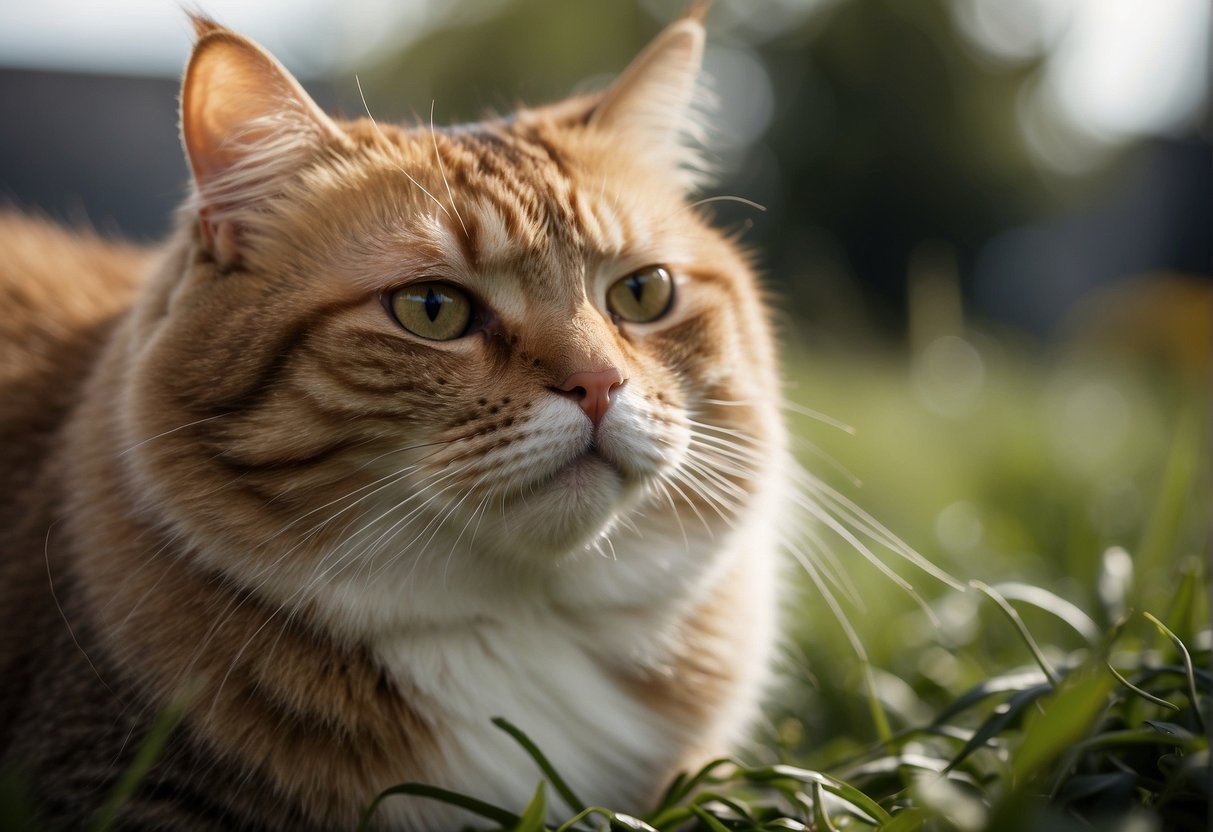
Bloating in cats can be a serious health concern. Recognizing the signs early and seeking the correct veterinary care are crucial to managing and preventing future episodes of this uncomfortable condition.
Recognizing Symptoms
Your cat’s body language and behavior give you the first clues that something’s amiss.
Symptoms such as a swollen belly, signs of discomfort, or lethargy warrant closer attention. You might notice other signs like vomiting, diarrhea, weakness, or drooling.
Understanding Causes
Bloat can arise from a variety of issues.
In my experience, I’ve found that common causes include gas buildup, which might result from overeating or eating too quickly, leading to indigestion.
Intestinal parasites, such as worms, are other culprits, as well as more serious conditions like kidney disease, cancer, or gastrointestinal obstruction.
When to Seek Veterinary Help
If you notice any of symptoms such as a distended belly, vomiting, or weakness, it’s time to contact your veterinarian. These signs might indicate a severe health issue like gastrointestinal dilatation-volvulus (GDV), which is an emergency situation.
Diagnostic Procedures
Your vet may recommend various diagnostic tests, such as fecal tests or imaging, to identify the cause.
These can check for anything from parasites and organ enlargement to fluid retention indicative of FIP or liver disease.
Exploring Treatment Options
Treatment depends on the diagnosis. It can range from medication to manage symptoms, changes in diet for food-related issues, or even surgery in severe cases like gastrointestinal obstruction.
Preventing Future Episodes
Preventative measures might involve feeding high-quality, balanced diets with adequate fiber, providing smaller mealsmore frequently, ensuring access to clean water, and keeping an eye on the cat’s eating pace to prevent overeating or eating too quickly.
Emergency Situations
Acute bloat, especially GDV, is life-threatening. If your cat’s abdomen is rapidly swelling and they are in distress, showing signs like vomiting, drooling, or weakness, seek emergency veterinary care immediately.
The Relationship Between Diet and Cat Bloat
When considering your cat’s bloated stomach, it’s important to examine their diet closely as food plays a significant role in feline bloat. Let’s explore how the type of food, feeding practices, and special dietary needs can affect this condition.
Food Types and Bloating
Your cat’s bloated belly could largely be due to the type of food they’re eating.
Food allergies can lead to bloating, so it’s essential to identify whether your cat is reacting to certain proteins or additives.
Cats with a sensitive stomach may also bloat in response to diets that are not high-quality, complete, and balanced. Hence, it’s imperative to choose a diet tailored to your cat’s specific needs, which may involve trial and error to pinpoint the right formula.
Proper Feeding Practices
Overeating or eating too quickly can cause your cat to ingest air, leading to bloat.
To prevent this, ensure you adhere to feeding guidelines and consider:
- Splitting daily food intake into smaller meals throughout the day.
- Using puzzle feeders to slow down rapid eaters.
This can reduce the risk of bloating and also provide mental stimulation for your cat.
Special Diets for Sensitive Cats
Cats with a history of food allergies or a sensitive stomach may benefit from special diets designed to minimize digestive issues.
These diets often use a single protein source and typically avoid common allergens.
It’s important to transition to any new food gradually to avoid digestive upset.
Always consult with your veterinarian to ensure the diet is nutritionally complete and balanced for your cat’s particular life stage and health condition.
Addressing Underlying Health Conditions
Before investigating the more obvious reasons for feline bloating such as diet or overeating, it’s essential to consider that your cat’s discomfort could be rooted in various underlying health conditions. These medical issues may not be immediately apparent but require attention for your furry friend’s well-being.
Gastrointestinal Issues
Gastrointestinal obstruction, for instance, can cause significant bloating. This occurs when your cat swallows something they shouldn’t have, leading to a blockage. Symptoms can include vomiting and a painful belly.
Similarly, inflammatory bowel disease (IBD) can cause chronic bloating alongside diarrhea and weight loss. Constipation is another culprit, often due to a diet lacking in fiber or hydration.
Systemic Diseases Affecting Bloating
Bloating can sometimes be a sign of broader system-wide illnesses.
For example, kidney disease might not be the first thing you think of when you notice bloating, but it can cause a buildup of waste products in the blood, leading to nausea and a bloated feeling.
Liver disease can lead to ascites, which is the accumulation of fluid in the abdominal cavity.
Moreover, in some unfortunate cases, cancer can present with bloating due to masses or tumors in the abdomen, or due to the body’s reaction to the disease.
Parasitic Infections
Lastly, intestinal parasites such as worms can cause bloating.
These unwanted guests, including heartworms, tapeworms, hookworms, and roundworms, rob your cat of essential nutrients. You may notice a distended abdomen or changes in appetite.
Feline infectious peritonitis (FIP), while viral, also leads to a buildup of fluid in the abdominal area, contributing to bloating.
Long-term Management and Care
When addressing your cat’s bloating, you should consider not only immediate treatment but also long-term care to ensure your furry friend remains happy and healthy. This involves regular maintenance and understanding the balance of diet, check-ups, and lifestyle changes that can prevent bloating from reoccurring.
Weight and Diet Control
The right diet is crucial in your cat’s long-term wellness.
Make sure you’re providing a high-quality, complete, and balanced diet to avoid weight gain from overeating.
Cats who eat too quickly may ingest excess air, which can lead to bloating. To prevent this:
- Divide meals into smaller, more frequent portions.
- Use slow-feeding bowls to pace their eating.
Regular Veterinary Check-ups
Regular appointments with your veterinarian are key to catching and addressing any health issues early on.
During these visits, discuss your cat’s dietary needs and monitor their weight to prevent obesity, a common cause of bloating.
Be vigilant about any symptoms of discomfort that could signal bloat or other underlying problems.
Medication and Supplements
If your cat’s bloating is due to a specific health issue, your DVM might prescribe medication or suggest supplements with essential nutrients that aid digestion.
Always follow the dosage instructions carefully and consult your vet about any changes to your cat’s medications or supplements.
Lifestyle Adjustments for Bloated Cats
A well-rounded lifestyle goes a long way in preventing cat bloat. Ensure your cat gets plenty of exercise and has access to clean water at all times to aid digestion and maintain good health.
Consider these tips:
- Engage your cat in regular play to keep them active.
- Keep their environment stress-free, as tension can affect their eating habits.
My name is James, and welcome to FAQCats!
Along with our team of cat owners, expert pet enthusiasts, and pet professionals, we aim to write engaging helpful, engaging content about cats. At FAQCats we strive to provide content that’s accurate and fun to read. Our team writes about everything related to cats; even the most complex of topics. Through extensive research and caring for our own fur-pals, we’re able to provide something cat owners worldwide will love. Have a look around, and leave us feedback anytime!