


A wobbly cat can be a concern for any pet owner, signaling potential health issues. If you’ve noticed your feline friend suddenly becoming unsteady on their feet, it’s possible they may have a condition such as cerebellar hypoplasia.
Known as ‘wobbly cat syndrome’, this neurological disorder is present from birth and affects a cat’s ability to control their fine motor skills, leading to a lack of coordination and balance. It’s quite a sight when your own cat chases a toy and then tumbles over unexpectedly, yet seems unfazed and ready to go again!
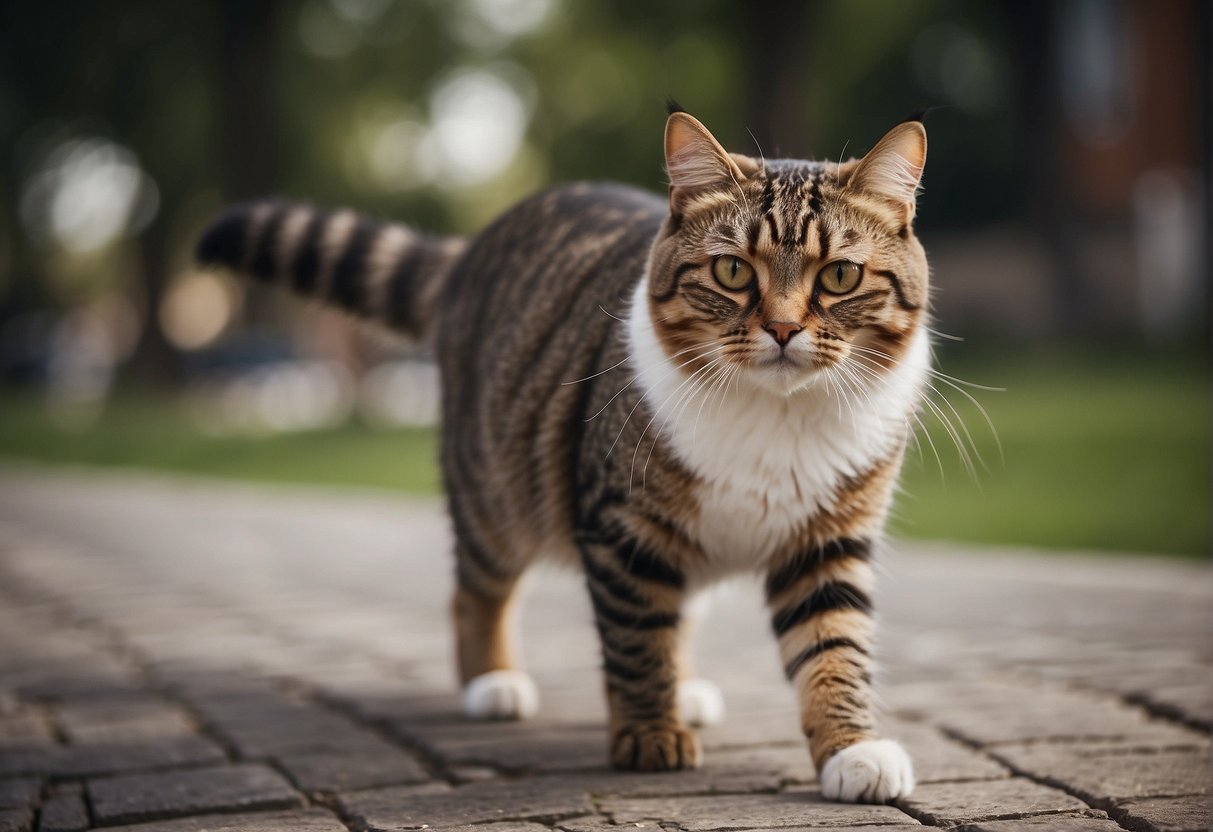
Sometimes, a wobbly gait might not be due to cerebellar hypoplasia, especially if it appears later in life. It can be indicative of other serious health concerns, ranging from injuries to neurological disorders or metabolic diseases.
Just last week, my cat was unusually wobbly and hesitant to jump onto his usual perch, prompting me to watch carefully for any signs of improvement or worsening of symptoms that could require a veterinarian visit.
Even if wobbly behavior is part of your cat’s normal dealings, it’s important to monitor for any changes that could signal something new at play. Just like us, cats can have off days, but consistent wobbly movements are worth paying attention to for the sake of their health and wellbeing.
Understanding Wobbly Cat Syndrome
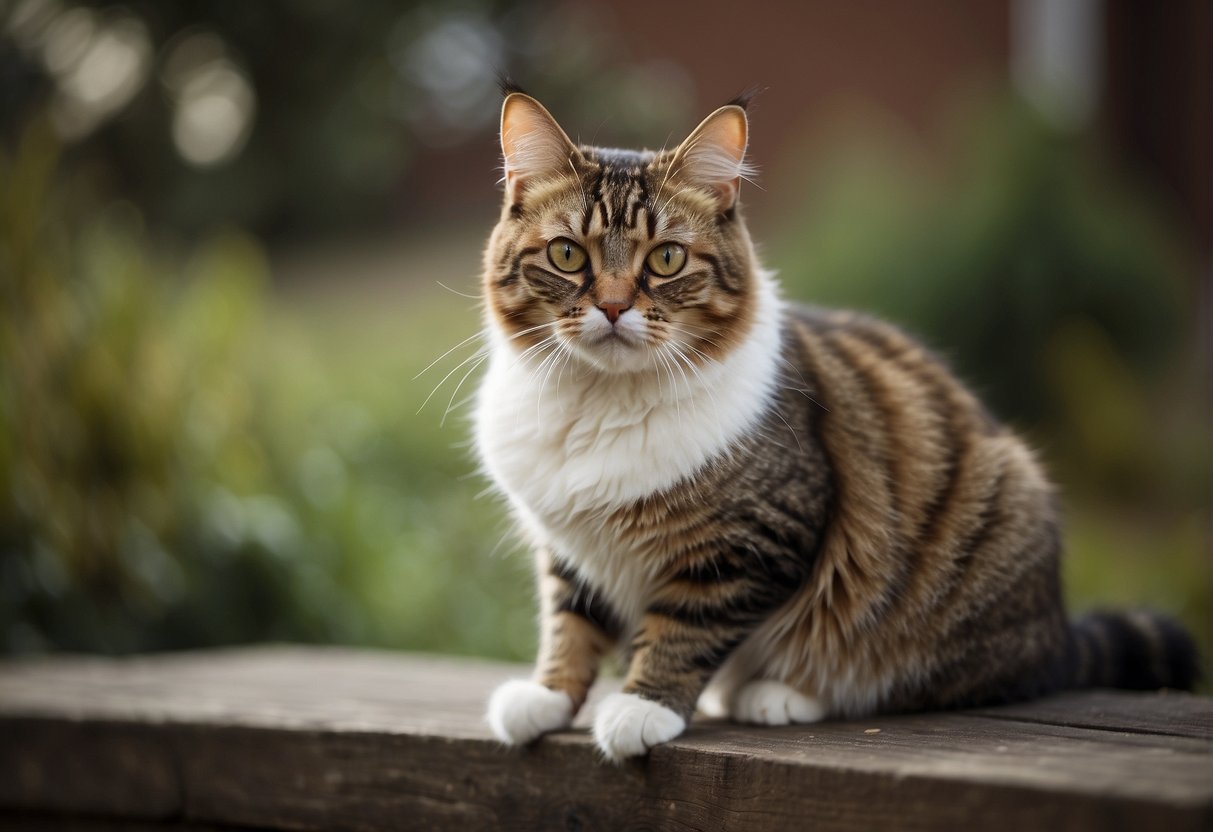
Getting to grips with Wobbly Cat Syndrome, or cerebellar hypoplasia, might seem daunting at first, but with a clear breakdown of what causes it and how to spot it, you’ll be better equipped to support your furry friend.
Causes of Feline Unsteadiness
Cerebellar hypoplasia, commonly referred to as Wobbly Cat Syndrome, is a developmental condition that occurs when your cat’s cerebellum—a part of the brain responsible for coordination and balance—doesn’t develop fully.
This condition is congenital, meaning it’s present from birth. While it’s not a progressive disease, the level of unsteadiness can range from mild to severe.
Causes of this condition are often linked to the following:
- Maternal infection: If a mother cat contracts the feline panleukopenia virus during pregnancy, it can affect the kittens’ brain development.
- Malnutrition or trauma: Other factors such as poor nutrition or an injury to a kitten during its early life can impact cerebellar development.
Identifying Symptoms
The primary symptom you’ll notice is a lack of coordination. Cats with Wobbly Cat Syndrome may show various signs, which can include:
- Uncoordinated movements: Difficulty with precise movements, such as grasping objects with their paws.
- Tremors and head tremors: Involuntary, rhythmic muscle movements, often more pronounced during intentional movement.
- Nystagmus: A condition where the eyes move rapidly and uncontrollably.
- Walking difficulties: Your cat may walk with a wide stance or stagger as if trying to maintain balance.
Activities like jumping or navigating obstacles will be challenging for affected cats. You might also observe them swaying or falling over when attempting to stand still.
Despite these symptoms, it’s heartening to know that cats with this condition can live comfortable lives as indoor pets, and these symptoms don’t typically worsen over time.
Diagnosis and Treatment Options
When your cat starts wobbling or showing signs of uncoordination, understanding the steps towards diagnosis and treatment can provide peace of mind and a clear plan of action.
Professional Veterinary Assessment
If you notice your cat is unsteady on their feet, the first thing to do is schedule a visit to the veterinarian. A thorough examination might include a series of tests, such as:
- Neurological evaluations: to check your cat’s reflexes and nervous system functionality.
- Imaging tests: like an MRI or CT scan, which provide detailed images of your cat’s brain and can rule out or confirm conditions like cerebellar hypoplasia.
Recovery and Management
Once a diagnosis is made, the veterinarian will guide you through treatment options. Commonly, treatment may include:
- Supportive care: Ensuring your cat gets adequate rest and is safe from potential injuries due to loss of balance.
- Adjusting nutrition: Tailoring your cat’s diet to support optimal health and recovery.
- Exercise: Modifying exercise routines to maintain muscle tone while avoiding overexertion.
Bear in mind that if your cat is diagnosed with a condition like cerebellar hypoplasia, there’s usually no need for medication as it’s a non-progressive condition.
Preventing Wobbly Cat Syndrome
When it comes to Wobbly Cat Syndrome, prevention focuses on protecting your cat from potential causes and accommodating their needs if they are affected.
Importance of Vaccination
Ensuring your cat receives all their vaccinations is paramount to prevent certain diseases that could contribute to neurological issues. Feline panleukopenia virus is a prime example of a disease you can guard against through vaccination.
This virus can have a lasting impact on kittens, possibly leading to cerebellar issues. Vaccinate your cats against this virus, especially if they spend time outdoors or you plan to breed.
Caring for a Wobbly Cat
If you are caring for a cat with Wobbly Cat Syndrome, making environmental modifications can significantly improve their quality of life. Consider placing their litter box in an easily accessible area with low sides.
Laying down non-slip mats can give your cat the extra footing they need, reducing the risk of falls. Adjust the placement of food and water dishes to prevent spills and slips; perhaps use shallow dishes that are easier to access without losing balance.
A ramp to their favorite perch or window sill can provide safe climbing opportunities.
My name is James, and welcome to FAQCats!
Along with our team of cat owners, expert pet enthusiasts, and pet professionals, we aim to write engaging helpful, engaging content about cats. At FAQCats we strive to provide content that’s accurate and fun to read. Our team writes about everything related to cats; even the most complex of topics. Through extensive research and caring for our own fur-pals, we’re able to provide something cat owners worldwide will love. Have a look around, and leave us feedback anytime!