


Disciplining a cat is not only possible, but it’s also an important part of living harmoniously with your feline friend. Unlike dogs, cats have different behavioral patterns and respond uniquely to various training methods.
For instance, you might have noticed that loudly scolding a cat for scratching the furniture often leads to them simply waiting until you’re not around to continue their antics. Cats learn best through positive reinforcement—rewarding them for good behavior rather than punishing them for bad behavior.
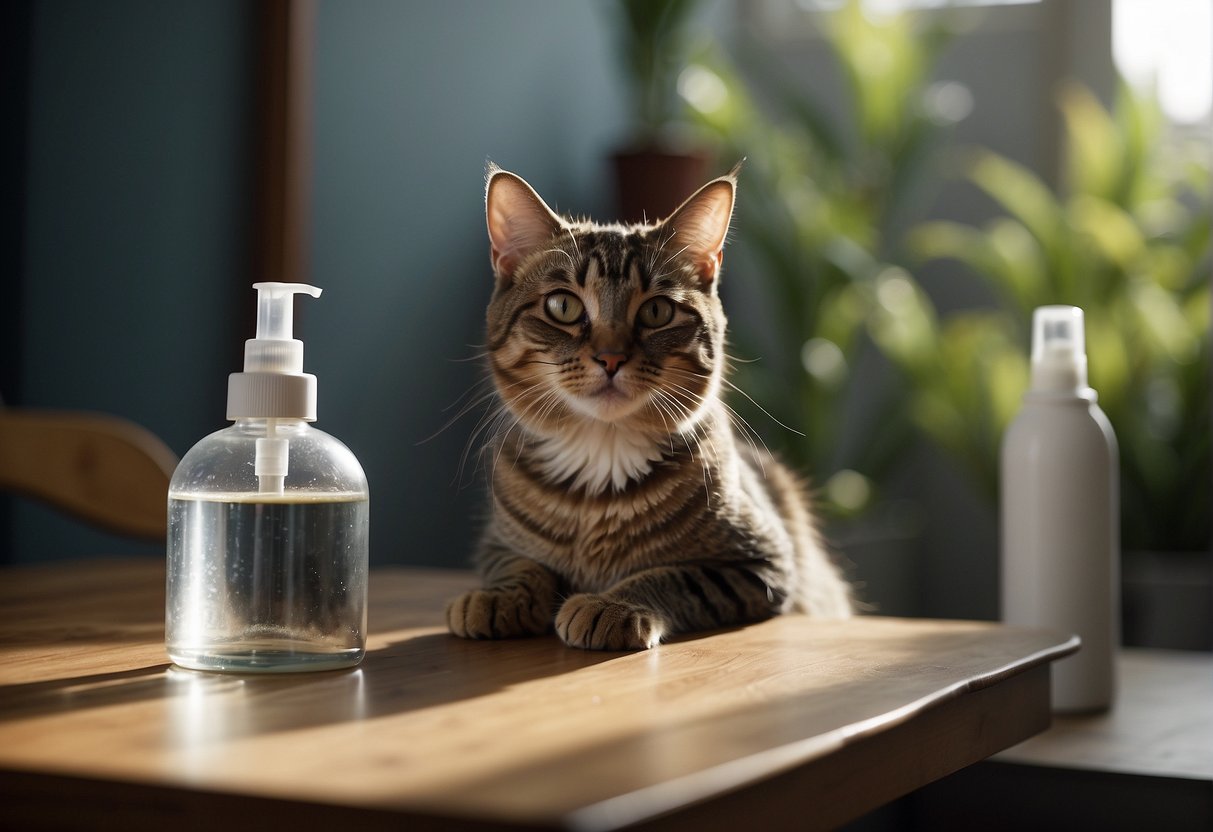
Understanding that a cat’s behavior is often a natural response to their environment is key. For example, if your cat is scratching up your favorite chair, they’re not doing it out of spite; scratching is a natural behavior that helps them mark their territory and keep their nails healthy.
Instead of punishment, provide them with an appropriate scratching post, and when they use it, give them a treat or some praise. This reinforces the good behavior and makes it more likely to be repeated.
It’s about guidance and reinforcement, not punishment. Punishing your cat can lead to stress and anxiety, which might exacerbate unwanted behaviors.
Stress, Misbehavior, And Attention Seeking Cats
When considering how to discipline a cat, it’s essential to decipher why they display certain behaviors and the most appropriate ways to respond to them.
Common Misbehaviors and Causes
Scratching Furniture: It’s natural for cats to scratch to maintain claw health. Rather than punishment, provide a scratching post and positively reinforce its use.
- Counter Surfing: Curiosity can lead your cat to jump onto kitchen counters for exploration or food-seeking. Use deterrents like sticky tape or provide an approved high perch.
Unwanted Urination: Stress or medical issues can cause inappropriate urination. Ensure the litter box is clean and consult a vet for potential health problems.

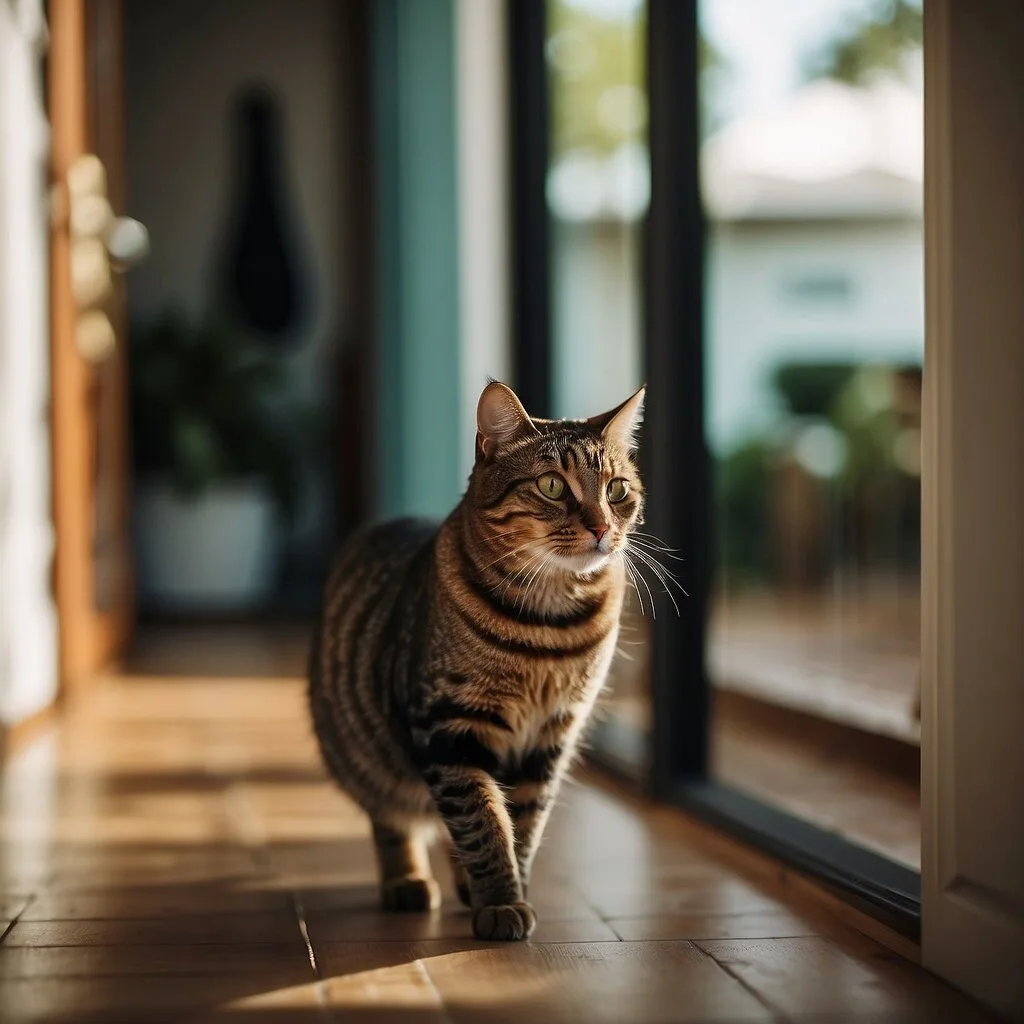
Stress and Anxiety in Cats
Cats can experience stress and anxiety due to environmental changes, such as a new pet in the house, or a lack of routine. Symptoms of stress may include:
- Hiding more often than usual
- Over-grooming or other repetitive behaviors
- Changes in eating or elimination habits
The Role of Attention and Playtime
Cats are not high-maintenance pets, but they require your attention and time for play. Playtime is not just for fun; it’s a critical component of their well-being and helps prevent misbehavior. Use toys that mimic prey to engage their hunting instincts.
Effective Discipline Techniques
When you’re teaching your cat to follow house rules, consistency and patience are your allies. Let’s explore some effective ways to positively influence your cat’s behavior.
Positive Reinforcement and Rewards
Positive Reinforcement is about rewarding desired behaviors. When your cat obeys a command or acts appropriately, immediate rewards like treats or affection reinforce that behavior. For instance, clicker training can pair the sound of a clicker with something pleasant, making it clear which actions win your cat’s favorite treats or praise.
Redirection and Noise Devices
If you catch your cat scratching furniture or engaging in other undesired actions, redirect their attention to an acceptable alternative, like a scratching post. Noise devices, such as a can of coins, can also startle them away from no-gos without harm, but remember — the goal is to redirect, not to frighten.
The Use of Scent and Texture
Cats detest certain scents and textures. A touch of citrus on a chewed plant, or double-sided tape on a commonly scratched surface, can discourage repeat offenses. Additionally, pheromones can soothe and reduce stress-related behaviors. These scents or textures make the unwanted areas less attractive but should always be used as part of a broader teaching strategy.
Discipline Methods to Avoid
When training your feline friend, it’s crucial to understand that some methods can do more harm than good. Cats are sensitive creatures, and certain discipline techniques can lead to fear, stress, and a damaged relationship between you and your pet.
Physical Punishment and Yelling
Physical punishment, such as hitting or swatting your cat, can instill fear and can be damaging to their well-being. Cats learn from positive association, not from physical harm. Yelling at your cat when they misbehave is similarly ineffective. It can cause stress for your cat and weaken the bond you share. Instead of understanding what they did wrong, your cat is likely to just become afraid of you.
Startling and Intimidation Techniques
Using methods that startle your cat, like shaking a can of coins, might stop unwanted behavior in the moment, but it can also lead to long-term anxiety. Intimidation techniques, such as staring down your cat or using aggressive body language, may cause your cat to become fearful or even aggressive themselves.
Discipline should never be about creating a fearful environment or breaking the spirits of these intuitive animals.
Cats are not purposefully naughty. Misbehavior is often a sign of their needs not being met or a lack of understanding of what is expected. Patient, positive methods are the way forward for a trusting and happy relationship.
Setting Up a Cat-Friendly Environment
To effectively discourage unwanted behaviors and encourage good ones, creating a cat-friendly environment is essential. This includes providing enriching spaces and appropriate outlets for natural cat behaviors like scratching.
Creating an Enriching Space
Your cat’s environment should stimulate their senses and satisfy their innate curiosity. Start by installing cat shelves or perches at different heights, as cats love to climb and oversee their domain. Incorporate various hiding spots like boxes or covered beds, giving them a sense of security. For mental stimulation, consider puzzle feeders that also encourage physical activity.
Proper Use of Scratching Posts and Toys
Scratching Posts: Cats scratch to maintain claw health, mark territory, and stretch their bodies. Place scratching posts in areas your cat frequents, and make sure they are sturdy and tall enough for a full-body stretch. Offer various materials like carpet, sisal, or cardboard, to cater to your cat’s preference.
Toys: Engage your cat in play with a variety of toys. Moving toys imitate prey and can satisfy your cat’s hunting instincts. Interactive toys, like lasers or feather wands, not only provide exercise but also allow for bonding time. Rotate toys regularly to keep things fresh and interesting.


My name is James, and welcome to FAQCats!
Along with our team of cat owners, expert pet enthusiasts, and pet professionals, we aim to write engaging helpful, engaging content about cats. At FAQCats we strive to provide content that’s accurate and fun to read. Our team writes about everything related to cats; even the most complex of topics. Through extensive research and caring for our own fur-pals, we’re able to provide something cat owners worldwide will love. Have a look around, and leave us feedback anytime!