

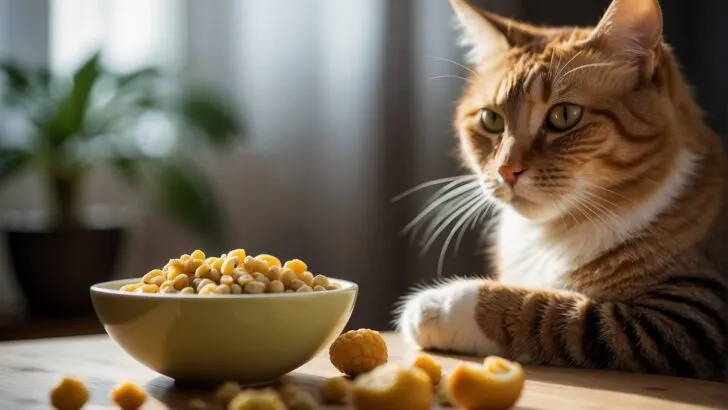
Cats can indeed eat freeze-dried fruit, but it’s important to treat these as occasional treats rather than dietary staples.
If you’ve given your furry friend a tiny bit of freeze-dried apple or banana, you’ve likely seen their curiosity pique at the novel texture and taste.
Just like us, cats can have their own individual taste preferences. While some may show a keen interest in a piece of fruit, others might turn their nose up entirely.
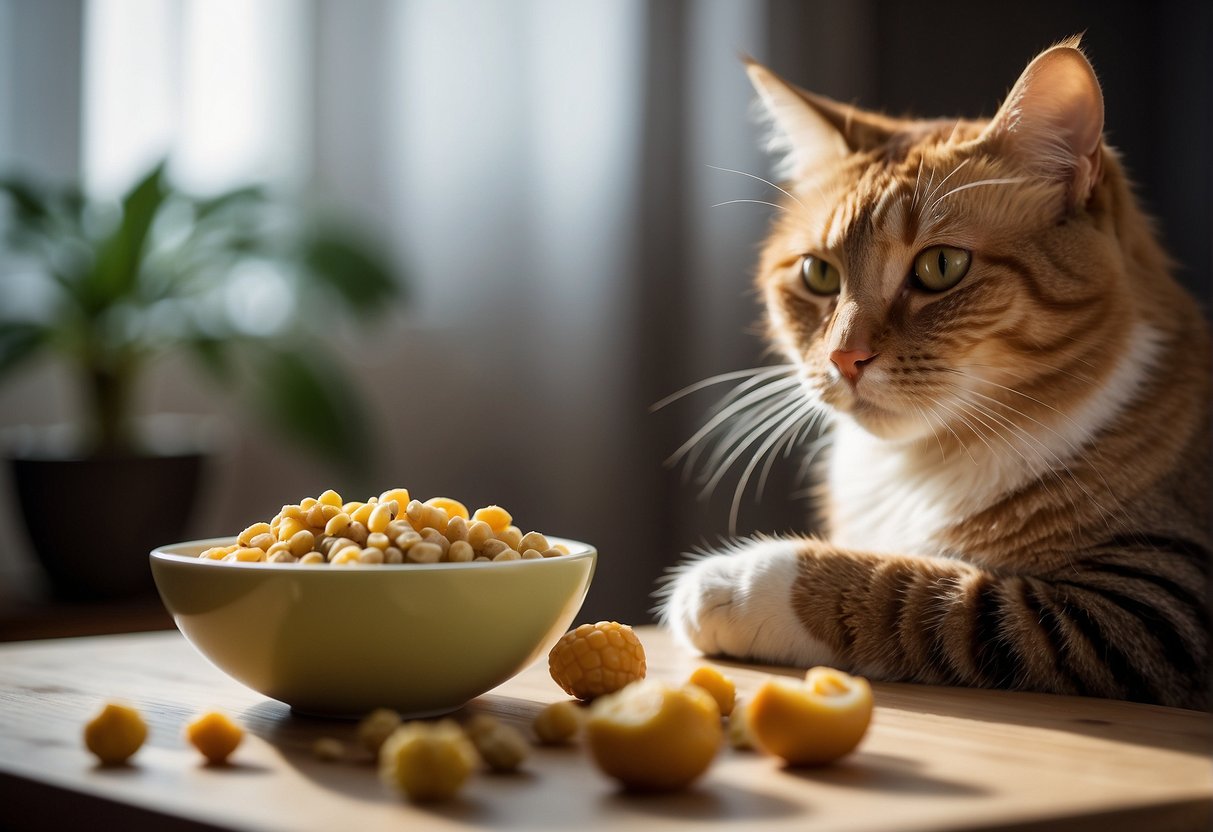
While the image of a cat chomping on fruit might seem out of the ordinary, certain fruits in moderation can be a safe and tasty treat.
It’s crucial to avoid fruits that are toxic to cats, such as grapes and citrus, and focus on those they can safely enjoy.
Giving a small slice of freeze-dried melon or a couple of blueberry pieces can be a fun way to add variety to their treat routine.
Remember, though, that cats are obligate carnivores, so meat should be the primary focus of their diet, and fruits are merely a supplemental delight.
When introducing freeze-dried fruits to your cat, take it slow and monitor them for any adverse reactions.
This approach is not only about ensuring they enjoy the treat but also about watching out for their health. Cats’ digestive systems are not designed for processing high amounts of fruits, so it’s essential to be cautious.
Benefits of Freeze-Dried Fruits for Cats
When considering treats for your feline friend, freeze-dried fruits offer some nutritional perks. These snacks can provide vitamins and a change in routine without many of the additives found in commercial treats.
Vitamins and Nutrients
Freeze-dried fruits retain most of the natural vitamins and nutrients found in their fresh counterparts.
For example, a slice of freeze-dried apple can offer Vitamin C and fiber, while freeze-dried blueberries can provide valuable antioxidants.
Including small quantities of such fruits in your cat’s diet can contribute to their overall health.
- Apple: Vitamin C, Fiber
- Blueberries: Antioxidants
However, keep portions small because cats are primarily carnivores and their digestive systems are not optimized for digesting high amounts of fruit.
Moisture Content and Hydration
Although freeze-dried fruits are low in moisture compared to fresh fruit, they can still be a minor source of hydration when reconstituted.
Since cats have a low thirst drive and are prone to dehydration, having a variety of moisture sources, including freeze-dried fruits that have been soaked, can help promote better hydration and contribute to preventing urinary and kidney diseases.
- Soak freeze-dried fruit in water
- Offer it as a treat to boost hydration
Natural vs. Commercial Treats
Opting for freeze-dried fruits as treats can be a healthier alternative to commercial treats laden with preservatives and artificial ingredients.
When you choose natural freeze-dried fruits, you’re giving your cat a treat free of unnecessary additives, letting them enjoy the taste of real food.
Always ensure that the fruits are safe for cats and avoid anything toxic to felines, such as grapes or raisins.
- Natural Treats: No preservatives, no artificial ingredients
- Commercial Treats: Often contain additives, preservatives, and fillers
Potential Health Considerations
When it comes to your cat’s diet, understanding the potential health considerations is crucial for maintaining their well-being. Let’s examine what you need to know before introducing freeze-dried fruits into their meals.
The Right Diet for Cats
Cats are obligate carnivores, meaning they require a diet high in protein from animal sources to thrive.
The ideal diet for your cat should closely mimic what they would eat in the wild—high in protein, low in carbs, and balanced with the necessary vitamins and minerals for optimal health.
While freeze-dried fruits might seem like a good source of fiber and nutrients, they contain sugar and are not as nutritiously complete for cats as meat-based proteins.
Risks of Feeding Fruits to Cats
Introducing fruits into your cat’s diet is not free from risks.
Even freeze-dried fruits retain some sugars, which can contribute to health issues like diabetes or obesity in cats.
Moreover, some cats can have allergies or adverse reactions to fruits.
As they don’t naturally eat fruits in the wild, fruits are not as digestible, and bacteria on improperly handled fruits can pose a risk.
Fruits do not provide the nutritional value needed by cats and can lead to nutritional imbalances or deficiencies if given in large amounts or in place of balanced meals.
Consulting a Veterinarian
Before making any significant changes to your cat’s diet, it’s always best to consult your vet.
They can suggest safety tips and guide you on suitable types and amounts of fruits if any, that could be incorporated into your cat’s diet.
They’ll also be able to advise on measures to prevent dehydration, which might occur if your cat is consuming too much dry matter like freeze-dried fruits.
Recommended Fruits and Safety Precautions
When considering sharing a snack with your furry friend, it’s important to know which fruits are safe for cats and how to properly prepare them. This guidance helps you pick the right fruity treats while minimizing health risks.
Fruits Safe for Cats to Eat
Certain fruits can be a healthy supplement to your cat’s diet, offering vitamins and hydration:
- Apples (minus the seeds and core): A crunchy source of vitamins A and C.
- Bananas: Provide potassium and dietary fiber.
- Blueberries: Packed with antioxidants and vitamins C and K.
- Strawberries: Another antioxidant-rich fruit, with an added boost of vitamin C.
- Cantaloupe: Hydrating and full of vitamins A and C.
- Cranberries: Can support urinary tract health in moderation.
- Mangoes: A tropical source of vitamins A, B6, C, and E (remove the pit).
- Pears: Vitamin C and fiber-rich (remove seeds and core).
- Raspberries: Contain fiber, manganese, and vitamin C but feed sparingly due to slight xylitol content.
Fruits to Avoid and Toxicity Risks
Not all fruits are created equal when it comes to cat safety. These are risky and should never be on the menu:
- Grapes and Raisins: Highly toxic, even in small quantities, leading to kidney failure.
- Cherries: Pits contain cyanide, and the fruit itself can cause upset stomach.
- Citrus fruits (lemons, limes, grapefruit, oranges): The oils and acids can cause gastrointestinal upset.
- Fruits with pits (like peaches, plums, and apricots): Pits pose a choking hazard and contain toxic compounds.
| Fruits to Avoid for Cats | Reason to Avoid |
|---|---|
| Grapes and Raisins | Can cause kidney failure |
| Cherries | Pits contain cyanide |
| Citrus Fruits | Can lead to gastrointestinal upset |
| Stone fruits with pits | Choking hazard and contain cyanide |
Preparation and Serving Tips
To safely add fruit to your cat’s diet, follow these safety tips:
- Always wash fruits thoroughly to remove pesticides or chemicals.
- Remove pits, seeds, and cores to prevent choking and exposure to toxic substances.
- Chop fruits into manageable pieces to make it easier for cats to eat.
- Offer fruits sparingly; they’re treats, not meal replacements, and should only be a small percentage of their diet.
- Choose human-grade, ripe fruits; the same quality you’d eat yourself.
Incorporating Freeze-Dried Fruits into a Cat’s Diet
When considering adding freeze-dried fruits to your feline friend’s meals, it’s crucial to balance their carnivorous needs with the occasional plant-based treat for variety and extra nutrients.
Commercial Freeze-Dried Cat Food
Freeze-dried cat foods often combine the benefits of raw cat food with the convenience of kibble.
Selecting a product that meets the nutritional requirements of your cat is imperative since cats need a diet high in animal-based proteins.
Make sure any commercial freeze-dried food you choose is enhanced with vitamins A and C to supplement your cat’s diet.
- Pros:
- No preservatives necessary due to the freeze-drying process
- Minimized risk of bacterial contamination and parasitic load compared to raw diets
- Extended shelf life with proper storage in air-tight packaging
- Cons:
- Often more expensive than traditional kibble
- Limited fruit content; primarily meat-based
Homemade Options and Storage
Perhaps you’re interested in preparing homemade treats using freeze-dried fruits.
Remember, fruit should only be a small portion of the diet. Introduce fruits like apples and strawberries in moderation, ensuring they are properly freeze-dried to avoid spoilage and that you store them correctly:
- Preparation: Cut fruits into small, bite-sized pieces appropriate for your cat’s size.
- Storage: Keep the fruits in an airtight container to maintain freshness and extend shelf life. Always check for any signs of moisture to prevent mold growth.
- Benefits:
- Control over the ingredients, ensuring no added sugars or preservatives
- Points to Consider:
- Cats lack significant enzymes to digest fruits, which means too much can cause stomach upset.
- Always consult your vet before introducing new foods into your cat’s diet, especially if they have health conditions.


My name is James, and welcome to FAQCats!
Along with our team of cat owners, expert pet enthusiasts, and pet professionals, we aim to write engaging helpful, engaging content about cats. At FAQCats we strive to provide content that’s accurate and fun to read. Our team writes about everything related to cats; even the most complex of topics. Through extensive research and caring for our own fur-pals, we’re able to provide something cat owners worldwide will love. Have a look around, and leave us feedback anytime!