


An enlarged spleen in cats, medically known as splenomegaly, can be indicative of several underlying health issues that need careful evaluation.
If you’ve noticed your cat seems a bit off or if they’ve been diagnosed with an enlarged spleen, it’s crucial to seek veterinary attention to understand the root cause.
When my friends cat displayed lethargy and a lack of appetite, a quick trip to the vet revealed an enlarged spleen; a moment that emphasized the importance of being in tune with your cat’s health.
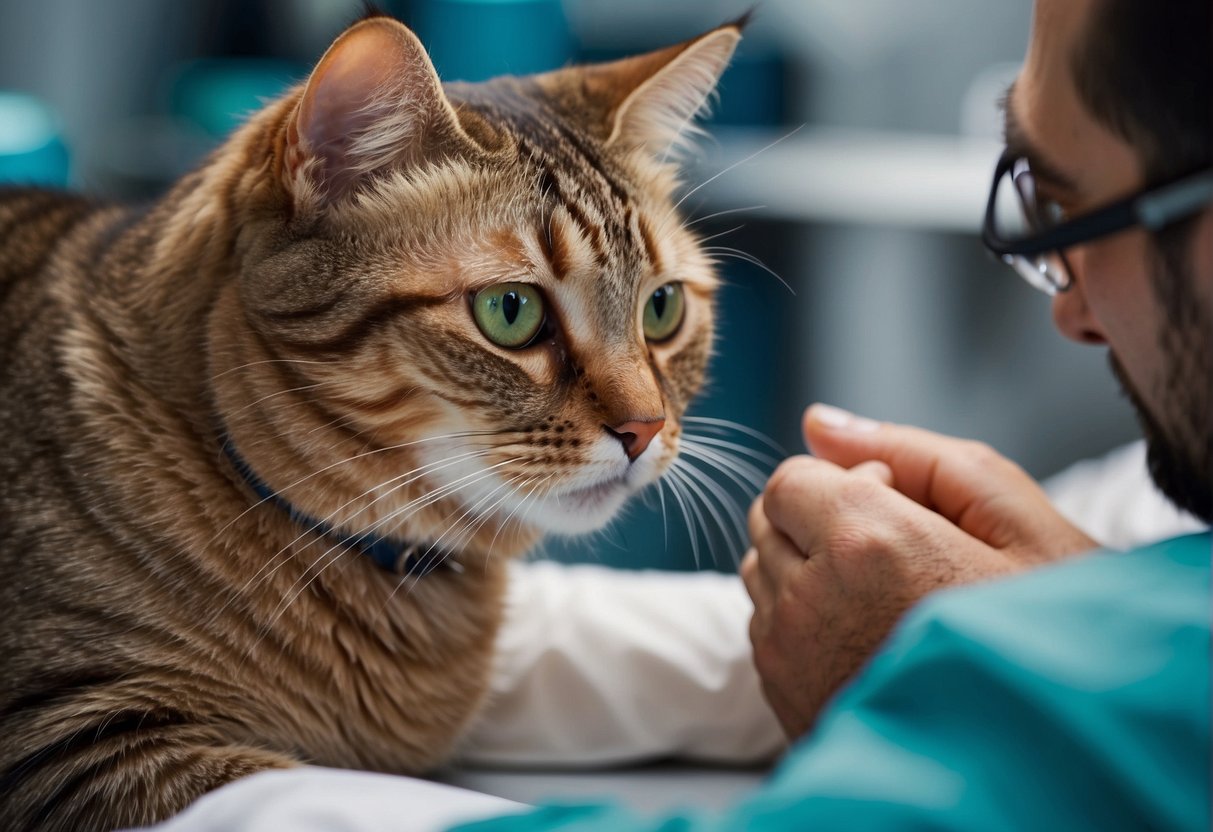
The spleen plays a key role in your cat’s body, aiding in the filtration of blood and the immune response, but various conditions can lead to its enlargement.
From infections such as feline infectious peritonitis and heartworm disease to inflammatory conditions like inflammatory bowel disease, the possible causes are extensive and diverse.
Observing for symptoms of an enlarged spleen can be tricky since cats are masters at hiding discomfort.
Look for changes in behavior such as reduced activity, weakness, or sudden weight loss.
Cats might also show signs of abdominal discomfort or have a noticeable distention in their belly.

Understanding the Feline Spleen
In exploring the health of your cat, understanding the spleen is important, as this organ plays vital roles in their well-being.
Functions of the Spleen
The spleen is crucial to your cat’s immune system and overall health. Essentially, it acts a bit like a security checkpoint in an airport, examining blood cells as they pass through.
The red pulp of the spleen is tasked with filtration, removing old or damaged red blood cells from the bloodstream.
Meanwhile, the white pulp serves as a hub for immune activities; it produces antibodies and helps to store various types of white blood cells.
If your cat’s spleen is functioning properly, these processes help fight infections and keep their body’s defenses on high alert.
Physical Structure of the Spleen
Your cat’s spleen is a slender organ, which you’ll find located on the left side of their abdominal cavity, near the stomach.
While not large, it’s a powerhouse, structured with both red pulp and white pulp.
The red pulp serves as storage for blood, ensuring your cat has a reserve in case of injury.
The white pulp, as part of the immune system, is densely packed with white blood cells ready to defend against invaders.
These two components work in tandem, though they have distinct roles within the spleen’s overall function in your cat’s body.
Common Causes of Splenomegaly in Cats
When your feline friend isn’t quite themselves, it could be something as overlooked as an enlarged spleen, medically known as splenomegaly. This condition can stem from a range of health issues, from infections to heart disorders. Let’s explore some specific causes that might lead to this ailment in cats.
Infections and Immune Responses
In the world of whiskers and purrs, infections can play a significant role in affecting the spleen.
Bacterial infections can trigger inflammation and enlargement of this organ. Meanwhile, diseases like heartworm, which are transmitted by mosquitoes, are silent threats that can lead to splenomegaly.
Fungal infections are less common but can become serious contributors to this condition.
Furthermore, autoimmune problems, where the body mistakenly attacks itself, can cause the spleen to enlarge as it becomes overactive in its immune response.
Trauma and Injury
As agile as cats can be, they’re not immune to accidents.
Trauma, such as a fall or a collision, can result in an enlarged spleen due to internal injuries.
Imagine your cat leaping from a high perch and landing awkwardly—such incidents could affect their internal organs, including the spleen.
Diseases and Disorders
Cats can also experience a variety of diseases and disorders that lead to splenomegaly.
For instance, inflammatory bowel disease (IBD) affects the digestive tract but can have repercussions on the spleen.
Additionally, chronic conditions like heart failure can cause congestion in the spleen, leading to its enlargement.
Diagnosing an Enlarged Spleen
An enlarged spleen in cats, while less common than in humans, can indicate several underlying health issues.
Physical Examination and Symptoms
Your vet will start with a physical exam to feel for any enlargement of the spleen.
You might have noticed symptoms at home such as lethargy, loss of appetite, or perhaps your cat isn’t as playful as usual.
More acute signs can include pain in the abdominal area, vomiting, or diarrhea, which should prompt an immediate vet visit.
During the examination, the vet will carefully palpate your cat’s abdomen to assess for any discomfort or unusual mass which could suggest splenomegaly.
Imaging and Diagnostic Tests
If the physical exam indicates potential spleen enlargement, further imaging tests will be necessary.
- X-rays or abdominal radiographs can give an initial insight into the size and shape of the spleen.
- An ultrasound provides a more detailed view and can help identify specific areas of concern within the spleen.
For a definitive diagnosis, the vet might recommend:
- Exploratory surgery to get a direct look at the spleen. This is more invasive but can be crucial for thorough examination.
- Fine needle aspiration of the spleen, where cells are collected and examined under a microscope.
On the non-invasive side, a complete blood count (CBC) and blood tests will reveal any infection, inflammation, or other underlying conditions contributing to the enlargement.
Treatment and Management Options
When your feline friend faces an enlarged spleen, you’re likely looking for the best way to help them heal and get back to their playful self. From targeted medications to potential surgical needs, let’s walk through the treatments that can manage this condition effectively.
Medical Treatments
Your vet may begin with medical treatments focused on addressing any underlying conditions causing the spleen enlargement.
If an infection is responsible, antibiotics are commonly prescribed to combat it.
It’s crucial to follow the prescribed dosage and complete the full course of medication, even if your cat seems to be feeling better.
For other ailments, additional medications may be necessary to manage symptoms and improve your cat’s prognosis.
Surgical Interventions
Sometimes, the spleen may need to be surgically removed, a procedure known as a splenectomy. This is especially true if the spleen is severely damaged or if there’s a risk of rupture.
If surgery is the recommended route, you’ll want to prepare for a period of recovery post-operation. Your vet will provide you with detailed care instructions.
Remember, while the thought of surgery can be daunting, in many cases, cats can live healthy lives even without a spleen.
My name is James, and welcome to FAQCats!
Along with our team of cat owners, expert pet enthusiasts, and pet professionals, we aim to write engaging helpful, engaging content about cats. At FAQCats we strive to provide content that’s accurate and fun to read. Our team writes about everything related to cats; even the most complex of topics. Through extensive research and caring for our own fur-pals, we’re able to provide something cat owners worldwide will love. Have a look around, and leave us feedback anytime!