
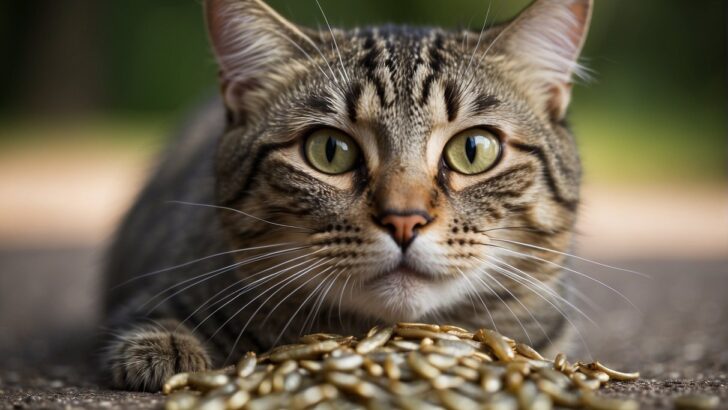
Yes, your feline friend can enjoy freeze-dried minnows as a treat. I’ve found that they’re a huge hit with my cats, often sending them into a blissful frenzy of purrs and playful energy after they’ve had a few.
These treats are not just tantalizing; they’re also packed with protein and offer a good source of omega-3 fatty acids. These can help maintain a shiny coat and support overall health.
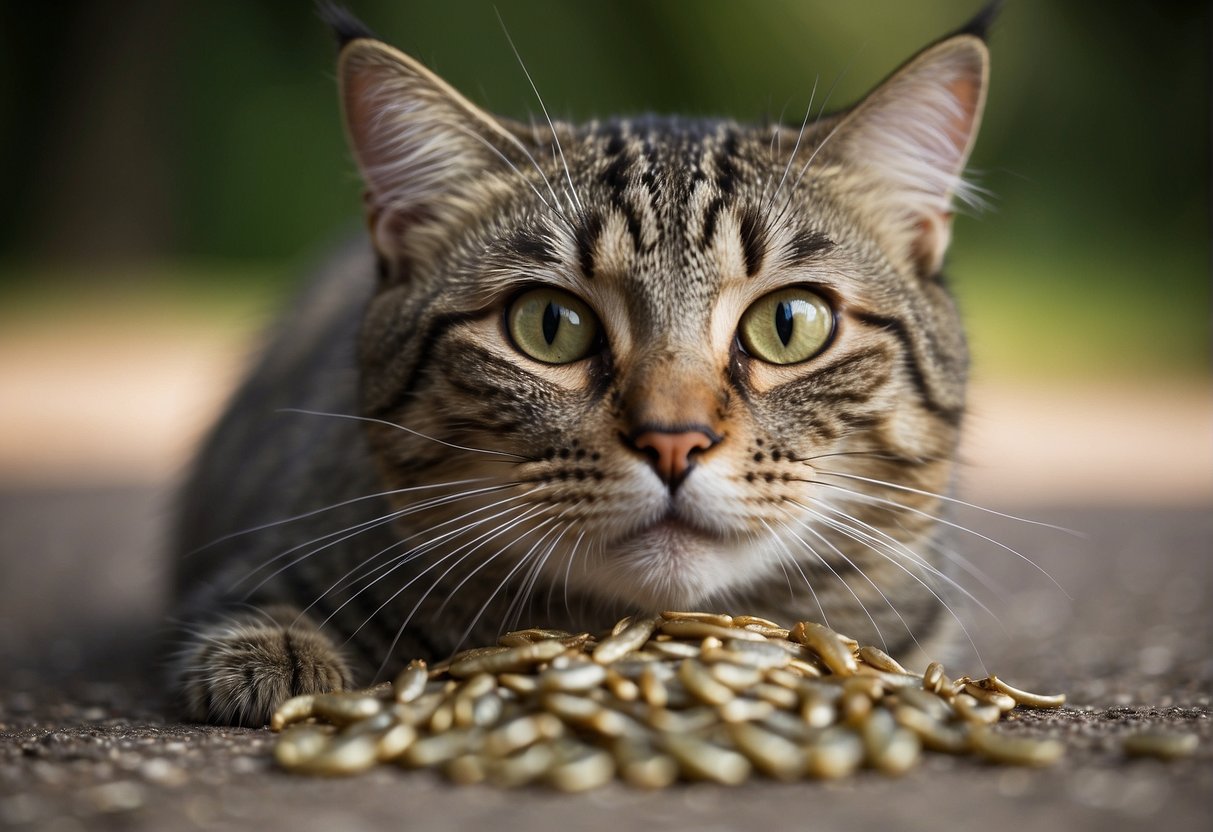
Introducing freeze-dried minnows into your cat’s diet can be a great way to add some variety. Unlike raw fish, which can harbor parasites and contain harmful enzymes, freeze-dried minnows are typically safe. The freeze-drying process eliminates moisture and consequently, many pathogens.
However, it’s still essential to serve them in moderation. Just as with any treat, overindulgence could lead to digestive upset or unbalance your cat’s nutrition.
Remember, while it’s fun to spoil your kitty with these tasty morsels, always be mindful of their overall diet and consult with your vet, especially if your cat has health issues. Every cat is different, and what works for one may not be ideal for another, so consider your pet’s specific dietary needs and any health conditions they might have when choosing snacks like freeze-dried minnows.
Nutritional Benefits of Freeze-Dried Minnows for Cats
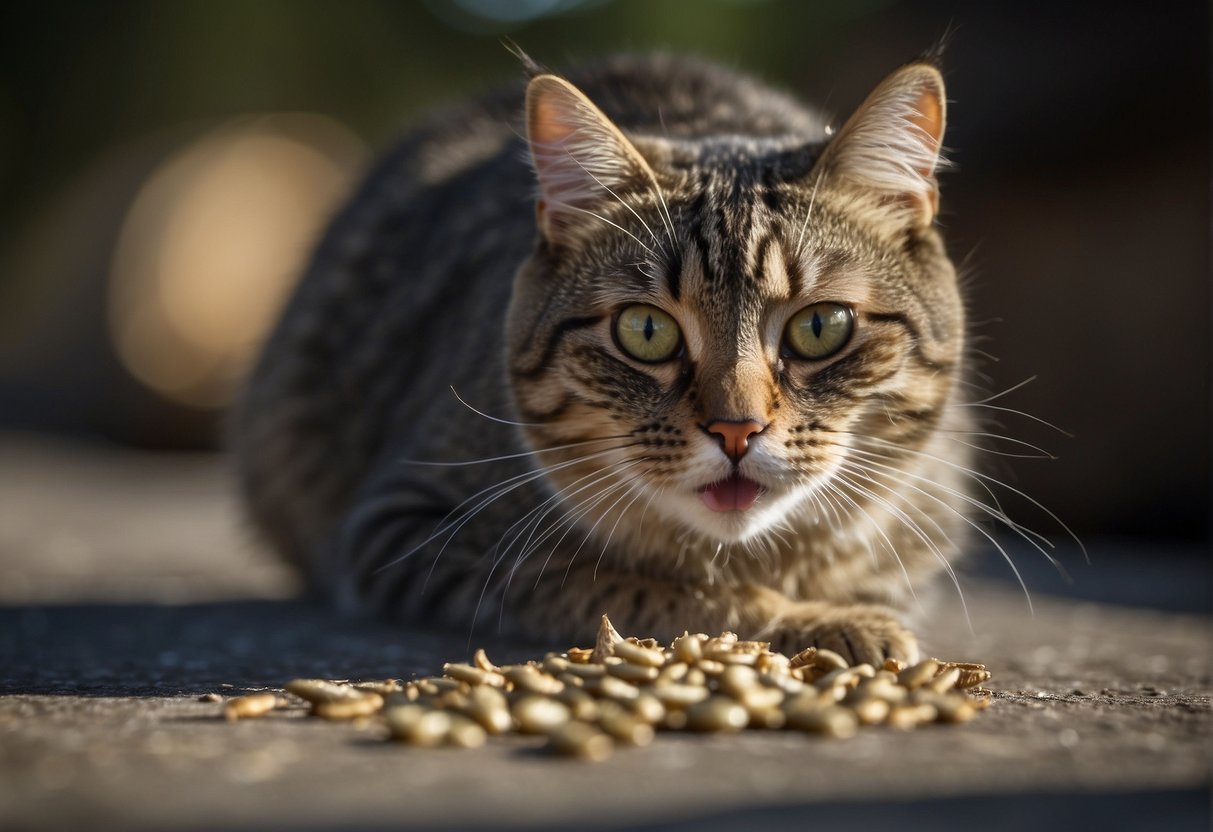
Providing your cat with freeze-dried minnows can offer significant nutritional advantages, as they are packed with high-quality protein and other vital nutrients that promote overall wellness.
High-Quality Protein and Omega-3 Fatty Acids
When you give your feline friend freeze-dried minnows, you’re supplying them with high-quality protein which is fundamental for muscle maintenance and growth. Furthermore, these bite-sized snacks are an excellent source of omega-3 fatty acids, known for supporting joint health and the immune system. A diet rich in omega-3s can help your cats maintain agility and an energetic spirit.
Essential Nutrients and Vitamins
Aside from proteins and fatty acids, freeze-dried minnows contain an array of essential nutrients and vitamins that contribute to your cat’s health. Essential nutrients such as taurine—an amino acid that cats cannot synthesize on their own—are crucial for heart and eye health. Vitamins present in minnows can play a pivotal role in maintaining your cat’s immune system and overall nutrition.
Skin and Coat Health
The omega-3 fatty acids in freeze-dried minnows are not just good for the insides— they also contribute to skin and coat health. Including these snacks in your cat’s diet can lead to a shinier, healthier coat and can potentially reduce skin irritations. Your cat’s gleaming fur coat is often an indicator of a nutritionally balanced diet.
Potential Risks and Considerations
When considering freeze-dried minnows as a snack for your cat, it’s crucial to be aware of certain risks that could impact their health. It’s not just about whether they’ll enjoy the taste; there are safety concerns to consider to ensure your furry friend stays healthy.
Parasites and Bacteria Concerns
Parasites and bacteria can be a significant risk with raw or improperly processed fish. Freeze-drying should eliminate moisture and reduce the risk of such pathogens, but it’s not foolproof. To be safe, always purchase high-quality freeze-dried minnows from reputable sources, ensuring they have been processed correctly to kill potential toxins that could cause vomiting or diarrhea.
Choking Hazards and Bone Ingestion
Fish bones can pose a choking hazard or cause internal blockages. Fortunately, freeze-dried minnows are usually small and brittle enough that bones are less of a concern, but it’s still something to keep an eye on. Be cautious, and supervise your cat while they’re enjoying their fishy treat to quickly address any complications.
Allergies and Food Sensitivities
Just like people, cats can have allergies and food sensitivities. If your cat is new to freeze-dried minnows, start with a small amount to monitor for any adverse reactions, such as skin irritations or gastrointestinal upset. Be mindful that some cats may be sensitive to seafood, and introducing new treats should always be done gradually.
Feeding Guidelines and Tips
As a cat owner, you want to make sure every treat you give your kitty not only brings them joy but also contributes to their health. Freeze-dried minnows can be a nutritious snack, so let’s go through how to properly include them in your cat’s diet.
Incorporating Into a Balanced Diet
Your cat’s diet should be primarily composed of high-quality, nutritionally complete cat food. Think of freeze-dried minnows as the cherry on top; they are a high-protein, low-fat addition that can be beneficial. They are not a substitute for a regular meal but can be offered as a supplementary treat.
- Benefits: A great source of protein and omega-3 fatty acids, which support skin and coat health.
- Risks: Too many treats, even healthy ones, can disrupt a balanced diet.
Moderation and Frequency
When it comes to treats like freeze-dried minnows, moderation is key. Treats should make up no more than 10% of your cat’s daily caloric intake. For example, if your cat consumes about 200 calories a day, treats should be 20 calories or less.
- Daily treats: A couple of freeze-dried minnows per day.
- Overfeeding risks: Weight gain and nutritional imbalance.
Consulting with a Veterinarian
Every cat is unique and may have specific dietary needs or restrictions. It’s essential to consult with a veterinarian before introducing new treats. This is especially important if your cat has underlying health conditions like chronic kidney disease, which may require a special diet.
- Veterinarian’s role: To tailor dietary recommendations and ensure treats are appropriate for your cat’s health status.
- How to approach: Share your cat’s health history and ask for guidelines on treat frequency and quantity.


My name is James, and welcome to FAQCats!
Along with our team of cat owners, expert pet enthusiasts, and pet professionals, we aim to write engaging helpful, engaging content about cats. At FAQCats we strive to provide content that’s accurate and fun to read. Our team writes about everything related to cats; even the most complex of topics. Through extensive research and caring for our own fur-pals, we’re able to provide something cat owners worldwide will love. Have a look around, and leave us feedback anytime!