

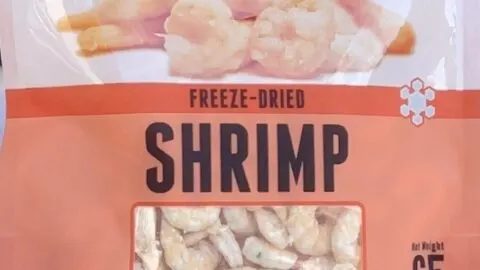
Yes, cats can have freeze-dried shrimp as a special treat, and many seem to find them utterly delicious.
From personal experience, serving these crunchy delights to my own feline has always been met with enthusiastic purrs and a quick pounce, indicating a flavor hit.
However, it’s vital to remember that treats should only complement a well-balanced diet tailored to a cat’s nutritional needs.
Also, treats should not exceed 10% of their total daily intake.
When offering shrimp, or any new treat, moderation is key.
I’ve always made sure that the shrimp is free of added seasonings and preservatives, which can be harmful to a cat’s health.
Additionally, it’s a good practice to ensure that any seafood treat, including freeze-dried shrimp, is given in small, manageable amounts.
This is to avoid any digestive upset or potential allergies.
Understanding that cats are obligate carnivores, their diet requires high-quality protein.
While freeze-dried shrimp can be a source of protein, it should not replace the essential nutrients found in a complete cat food.
It can, however, be an occasional indulgence that adds variety and excitement to their regular feeding routine.
This can strengthen the bond between you and your furry companion.
Nutritional Profile of Shrimp for Cats
Shrimp can be a delicious treat for your feline friend, offering a range of nutrients beneficial to their health.
Ensuring it is freeze-dried and served in moderation, shrimp can be a good source of high-quality protein and essential vitamins and minerals.
Protein and Amino Acids
Shrimp is a protein-rich food that’s also low in carbohydrates.
A 3-ounce serving typically contains about 20 grams of protein, which is vital for your cat’s muscles, skin, and immune system.
This shellfish also provides all the essential amino acids that cats require, making it a complete protein source for their diet.
Vitamins and Minerals
Rich in several vital minerals, shrimp provides selenium, which supports your cat’s antioxidant defense and boosts its immune system.
It’s also a source of phosphorus, necessary for healthy bones, and smaller amounts of calcium and magnesium.
Plus, shrimp is an excellent source of B-vitamins, especially vitamin B12, crucial for feline nerve health and energy metabolism.
In addition to B12, shrimp contains iodine, supporting the thyroid, and the antioxidant astaxanthin, which can promote heart and joint health.
Fats and Cholesterol
While shrimp is relatively low in fat, it does contain a balance of omega-3 and omega-6 fatty acids, which are essential for your cat’s skin and coat health.
However, it’s also higher in cholesterol than other fish, so it’s important to give it to your cat in moderation to avoid any potential issues with cholesterol levels.
My Freeze Dried Shrimp Recommendations
There are plenty of freeze dried shrimp brands out there, but one I recommend is Grandma Lucy’s. Here’s picture of the package that I picked up at a local holistic pet shop:
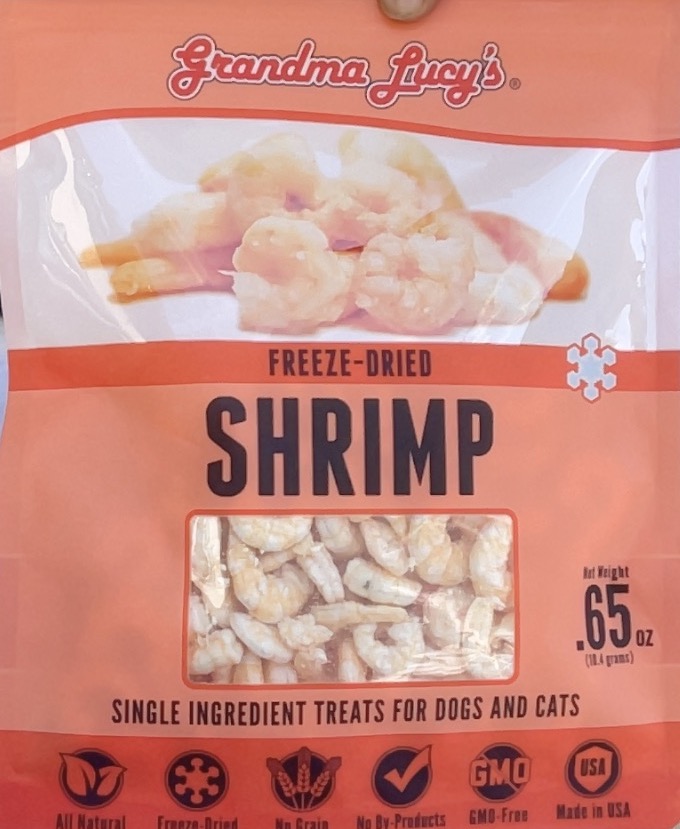

This brands freeze dried shrimp is all natural, has no grains, and is also GMO – Free. Besides, if you have a dog it also is suitable to feed them as well. It’s got a great scent so cats are immediately attracted to this, and it’s small and durable enough to be offered as a training treat.
Health Benefits and Risks of Feeding Cats Shrimp
When considering shrimp as a treat for your cat, it’s wise to evaluate both the benefits and the potential risks. Seafood like shrimp can be a source of high-quality nutrients, but some aspects may not suit all feline friends.
Potential Health Benefits
Shrimp are packed with essential nutrients that can offer various advantages to your cat when consumed in moderation:
- Nutritional Content: Shrimp is a good source of protein and contains several nutrients like vitamin B12, omega-3 and omega-6 fatty acids, which are crucial for maintaining your cat’s skin health, supporting heart and brain function, and managing inflammation.
Note: When choosing shrimp, opt for frozen or cooked varieties as opposed to raw shrimp, which can carry harmful bacteria like Vibrio and pose a risk of foodborne illness.
Risks and Considerations
- Choking Hazard: The shells and tails of shrimp can be a serious choking hazard or even cause digestive obstructions, especially in smaller cats. Always remove shells, shrimp tails, and heads before offering shrimp to your cat.
- Seasonings and Additives: Cats should never have shrimp seasoned with salt, spices, garlic, or butter, as these can be toxic to cats. Even small amounts can cause gastrointestinal upset including vomiting and diarrhea.
- Allergies and Sensitivities: Some cats may have an allergic reaction or a food sensitivity to crustacea, which includes shrimp, crab, and other shellfish.
- Portion Control: Overfeeding shrimp can lead to obesity due to its high protein and fat content. Treats like shrimp should never make up more than 10% of your cat’s daily calorie intake to maintain a balanced diet and prevent weight gain.
Best Practices for Feeding Cats Shrimp
When incorporating shrimp into your feline’s diet as a treat, it’s important to prioritize safe preparation and mindful feeding frequency. Here’s how to ensure that shrimp is a safe snack for your cat.
Preparation and Serving
Before treating your cat to shrimp, ensure the shrimp is properly prepared.
Cooking the shrimp is crucial, as raw shrimp can contain harmful pathogens.
Boil or cook the shrimp without any added seasonings, brine, herbs, or butter. These ingredients can be unhealthy for your cat.
After cooking, let the shrimp cool down, and then remove the tail and shell to prevent choking or digestive issues.
If you’re considering freeze-dried shrimp, they’re usually already prepared without the shell and tail, but be cautious of added ingredients.
- Instructions for Preparing Shrimp for Cats:
- Cook the shrimp thoroughly (boil or steam).
- Cool the shrimp to a suitable temperature.
- Remove all shells and tails.
Moderation and Frequency
Shrimp should be seen as an occasional treat, not a meal replacement.
Your cat’s diet should be well-rounded, with shrimp complementing the regular intake of nutritionally complete cat food.
Cats can enjoy a small amount, but moderation is key, as overfeeding shrimp can lead to obesity and nutritional imbalances.
If your cat’s diet generally includes other protein sources like tuna, chicken, or salmon, then shrimp can be a pleasant variety.
Always speak with your vet prior to introducing new treats like shrimp to make sure it’s suitable for your pet’s diet.
- Feeding Guidelines:
- Use shrimp as an occasional treat, not a staple in the diet.
- Limit serving size to a small amount.
- Introduce shrimp slowly and watch for any adverse reactions.


My name is James, and welcome to FAQCats!
Along with our team of cat owners, expert pet enthusiasts, and pet professionals, we aim to write engaging helpful, engaging content about cats. At FAQCats we strive to provide content that’s accurate and fun to read. Our team writes about everything related to cats; even the most complex of topics. Through extensive research and caring for our own fur-pals, we’re able to provide something cat owners worldwide will love. Have a look around, and leave us feedback anytime!