


In an ideal world, cats wouldn’t need medical care because they wouldn’t get sick or injured. However, since we don’t live in an ideal world, pet owners need to know what to expect after their animal has gotten sick or injured and needs a prescription. So what effects do antibiotics have on cats? Do antibiotics increase appetite the way they’re rumored to?
Some cats may react to antibiotics with increased appetite, but it’s not universal. Some cats might even have decreased appetite instead, and there are plenty of other side effects that can make things difficult when it’s time to give your cats antibiotics. Talking with your vet about handling different side effects is the best option if you have to give your cat antibiotics.
Even though consulting your vet is the best option, we think it’s a good idea for cat owners to be informed about the side effects of antibiotics before your cat needs them to.
So, while this isn’t a complete list of possible side effects and solutions, this article is an excellent place to get started if you want to learn more about cats and antibiotics.
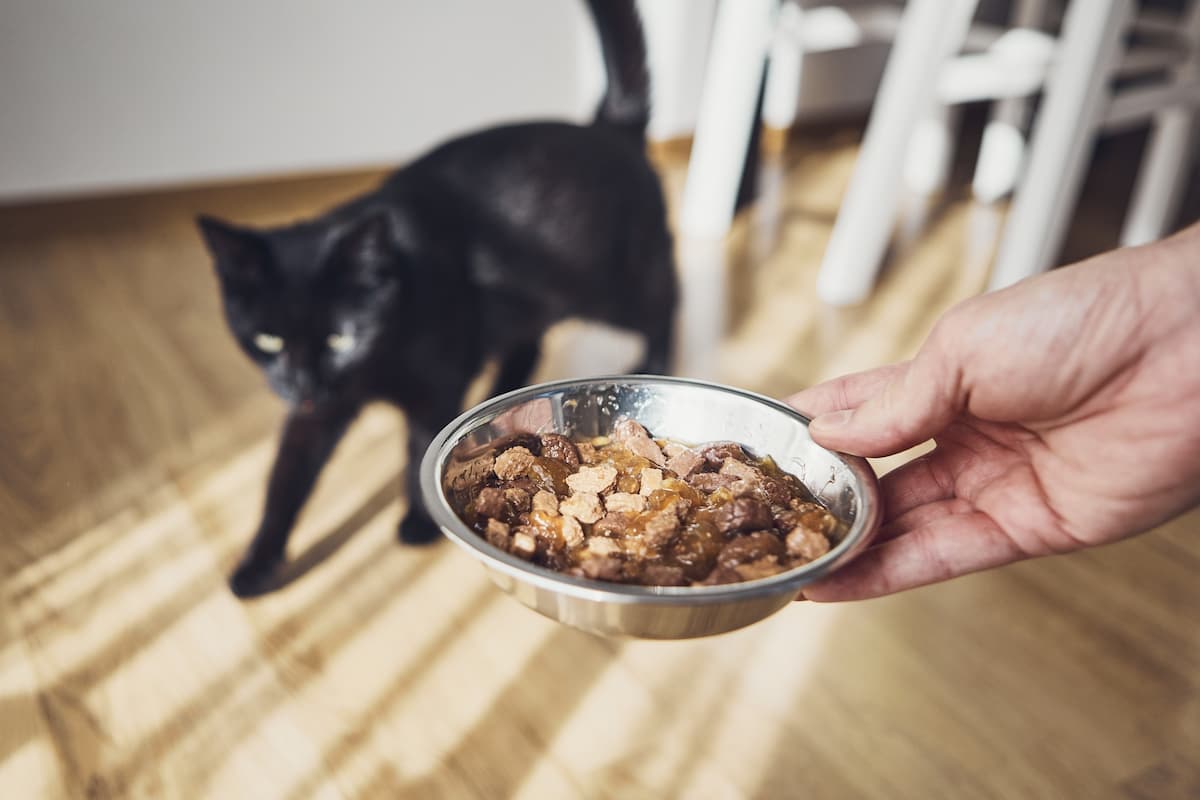
What Are The Side Effects Of Antibiotics in Cats
There are a wide range of side effects from antibiotics in cats. Every antibiotic is a little different, and every cat will respond a little differently when they’re taking antibiotics.
The most common side effect of taking an antibiotic is vomiting. Cats that are vomiting after their antibiotic might need a different medication to have their antibiotic given with food or another solution.
It’s important to contact your vet right away if you notice that your cat is vomiting while they’re taking an antibiotic. That’s because the antibiotic might not be as effective if they vomit it back up, so your vet might need to make adjustments to make sure they get an effective treatment.
Antibiotics can also make your cat sleepy or fatigued or might make them a little less playful than usual. Fortunately, like vomiting, increased and decreased appetite, and other side effects, the symptoms should wear off within two days of stopping the antibiotics.
Cats can also have bad reactions to antibiotics that have the potential to turn into a medical emergency. While rare, it’s essential to monitor your cat for signs of facial swelling, difficulty breathing, a lack of coordination walking, or severely decreased appetite, especially if it lasts for more than one meal.
What Can Cause Increased Appetite In Cats
Antibiotics aren’t the only thing that can make your cat hungrier than usual. You should also be prepared for increased appetite in other situations, and monitoring your cat’s appetite can also help you catch some medical problems faster.
This isn’t a complete list of the reasons your cat might have an increased appetite, but here are a few of the most common causes:
- Pregnancy
- Thyroid disease
- Overfeeding
- Some medications
- Diabetes
- Parasites
- Inflammatory bowel disease
That’s a short list, but it’s important to know that increased appetite can be a sign of an oncoming disease.
It’s also important to know that increased appetite is common when cats are stressed (decreased appetite is another common stress reaction), after intense exercise, or if food hasn’t been available for a few hours.
Can Antibiotics Make A Cat Sick
Yes, unfortunately, some antibiotics can make cats sick, either because the cat had a bad reaction or because the antibiotic worked a little too well and they need some extra support to recover.
It’s rare for antibiotics to cause lasting problems in cats, but allergic reactions can be severe and can make your cat badly sick.
Most of the time, any sickness or side effects from antibiotics should fade within a day or two of stopping the medication. But, in some cases, your cat might not bounce back right away. In those cases, it’s essential to contact your vet for options to help your cat start feeling better as soon as possible.
In a few rare circumstances, you may even need to bring your cat back to the vet to ensure the antibiotic was effective and address any lingering side effects.
Don’t worry, though; most of the time, cats take antibiotics without any problems, and there aren’t any lingering side effects. Cat owners should be aware of potential problems but not too concerned unless their cat starts showing symptoms.
Do Antibiotics Make Cats Sleepy
Sleepiness or fatigue are widespread side effects of antibiotics in cats. As long as your cat is getting up to eat, drink, and use the litter box, they’re probably alright.
Keep an eye on your cat if they seem highly fatigued. Look for signs of fever, labored breathing, and other signs that something more serious is wrong. Most of the time, your cat will be fine, but fatigue can sometimes be a precursor for more severe side effects.
Do Antibiotics Make Cats Thirsty
Cats are notoriously bad at drinking enough water, so it might be a little concerning if you notice your cat is spending more time than normal at the water bowl after taking an antibiotic.
Don’t worry too much, though; higher thirst is a common side effect.
One of the reasons some cats drink more after taking antibiotics is to help get rid of the taste. Or, if they were given a pill form of the antibiotic, they might be trying to get the feeling out of their throats, just like you would after a pill feels stuck.
Of course, this can also be a direct side effect of the medication, but it’s usually not a concerning one unless your cat develops other symptoms.
How Long Can A Cat Stay On Antibiotics
If your cat is given an oral antibiotic, chances are they will need to be on the antibiotic for at least three days to be effective. Usually, cats will be prescribed antibiotics for a week to two weeks to make sure the medication has a chance to work. It eliminates all harmful bacteria that might be affecting your cat.
It’s important to give your cat the whole course of their antibiotics as prescribed by their vet. Cutting the medication off early might make your cat relapse with an infection and can increase the risk of them developing an antibiotic-resistant infection.
So, rather than worrying about how long your cat can stay on an antibiotic safely, it’s important to trust your vet to know which antibiotics are safe and for how long.
Things To Consider
Antibiotics are often given with other medications, like painkillers or anti-inflammatories. If your cat starts showing side effects, it’s important to consider all of the medications they might be reacting to and whether they might be reacting to a procedure or stressful situation rather than the medication.
You might also want to talk to your vet about the side effects you should expect from the antibiotic they prescribed. Different antibiotics have different common side effects, and your vet might even anticipate different side effects based on your cat’s breed, age, or medical history.
Your vet will always be the best resource when it comes to medications for your cat. Follow their instructions and contact them if you have any questions or concerns, and your cat should do well.


My name is James, and welcome to FAQCats!
Along with our team of cat owners, expert pet enthusiasts, and pet professionals, we aim to write engaging helpful, engaging content about cats. At FAQCats we strive to provide content that’s accurate and fun to read. Our team writes about everything related to cats; even the most complex of topics. Through extensive research and caring for our own fur-pals, we’re able to provide something cat owners worldwide will love. Have a look around, and leave us feedback anytime!