


Cats meowing is often a playful or happy sound. But, as any cat owner will tell you, a cat meowing at the door usually isn’t happy about the situation. It’s especially puzzling when its not a cat that you know; a stray. So, it’s a common question, why is a cat meowing at my door?
Cats usually meow at doors in their own home because they want something on the other side of the door or don’t like being confined. But cats that meow at doors from outside are usually looking for something a little different. They typically want attention, food, warmth, or comfort and know that human homes are a good place to get those things.
Those aren’t the only reasons a cat might come meowing at your door, though, or why they might meow at doors inside your home. We’ll talk about more of the reasons and some of the motivations behind this behavior.
Let’s dive in.
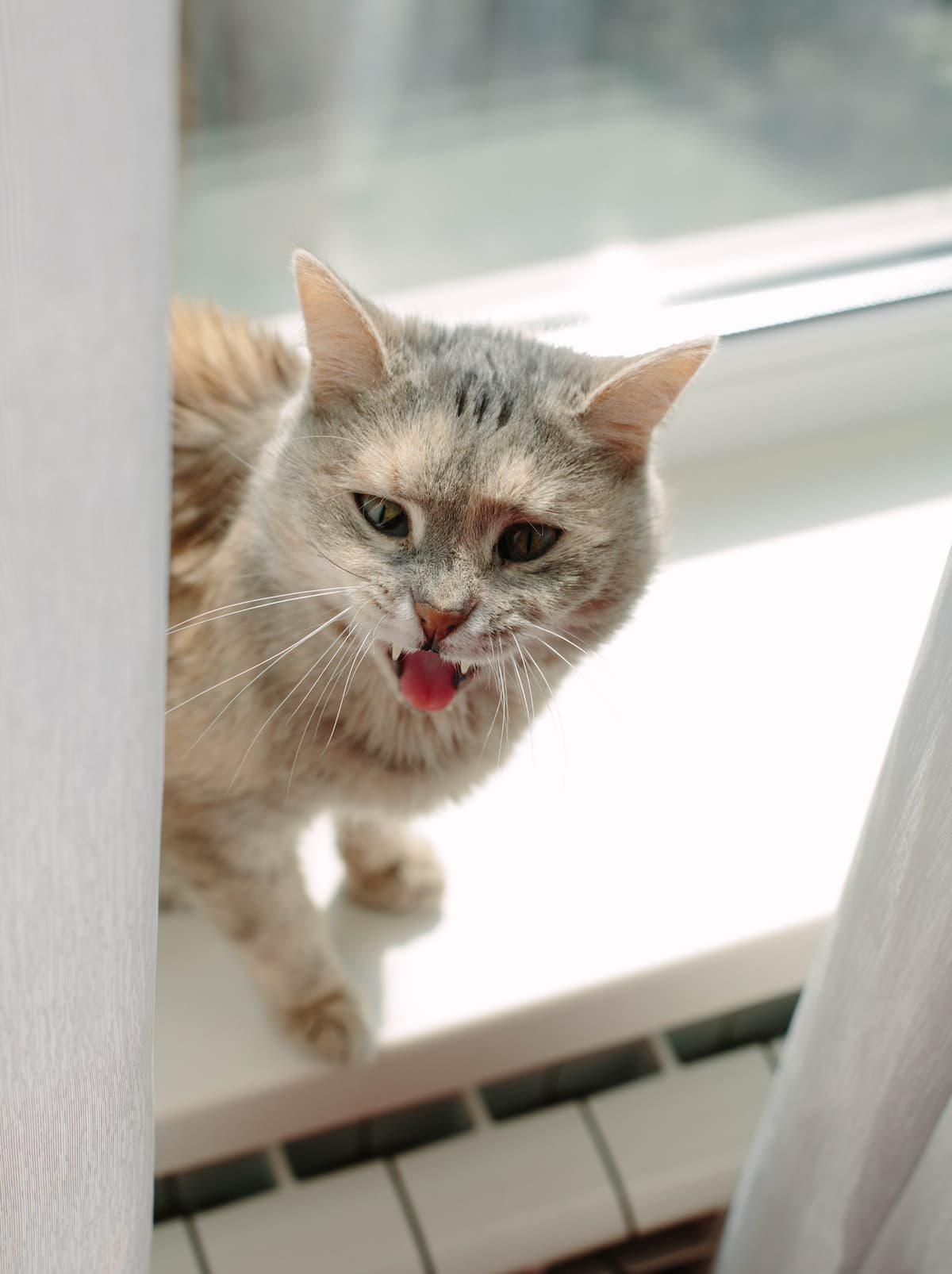
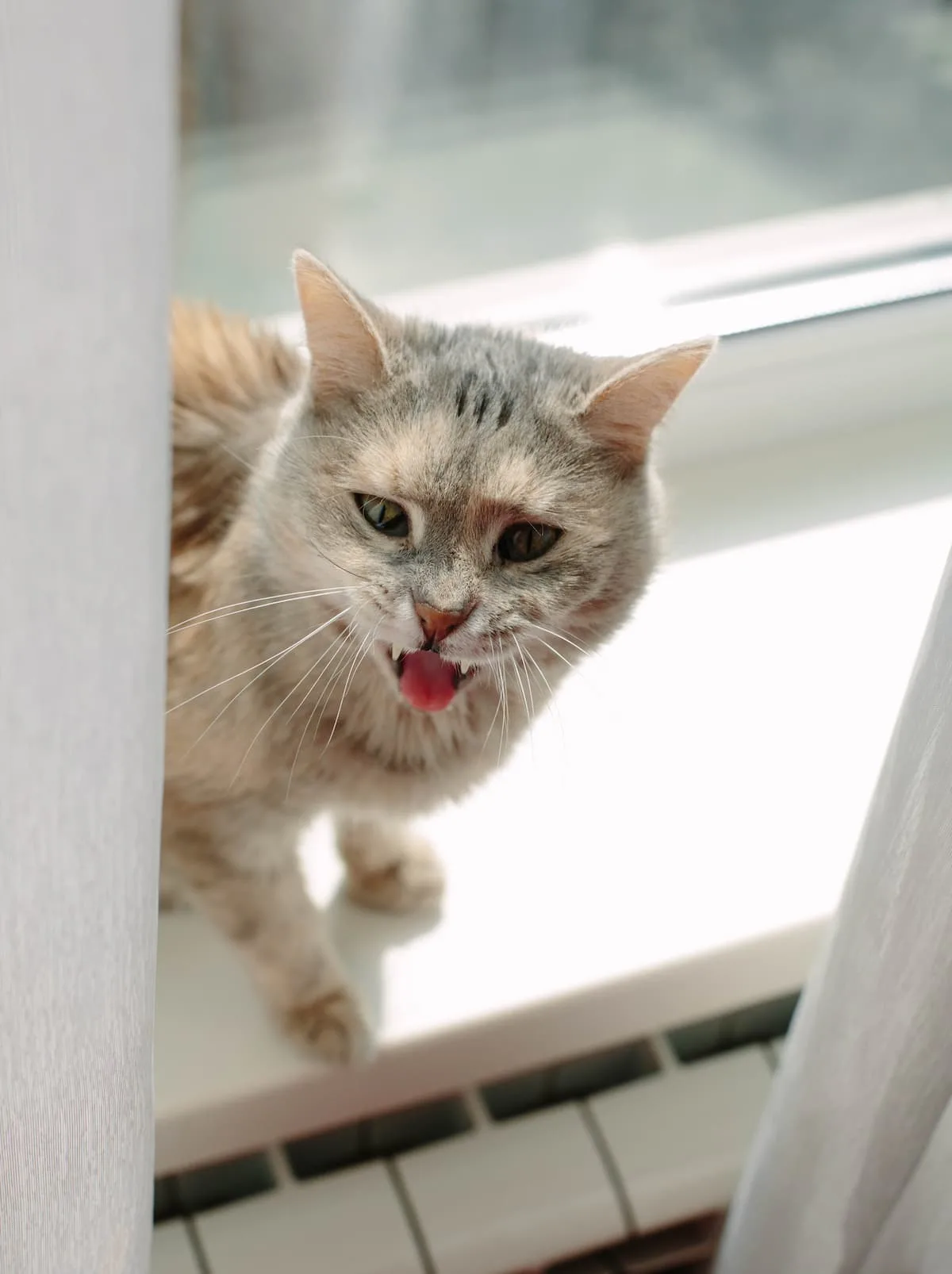
What Does It Mean When A Cat Is Meowing At Your Door
Cats meowing are almost always trying to communicate with humans. Cats that want to talk to one another can use sounds humans can’t hear once they’re adults, so they don’t tend to meow at each other. If your cat is meowing, they’re almost certainly meowing at you.
Once you know that, knowing a bit about why your cat might decide to meow can help you translate. So, the next time you hear your cat meowing at a door, you’ll be a little better prepared.
1. They Want To Be Let In Or Out
It’s no surprise; most cats don’t like being confined. Meowing at doors, especially doors the cat has seen open before, is one way for them to ask for the door to be opened. They might want out of the space they’re in, or they might want in a room with you.
If you’ve ever tried to lock your cat out of the room while you go to the bathroom, you’ve probably heard them meowing to be let in.
2. They Don’t Like Closed Doors
Sometimes cats don’t want to go through a door; they want it open. There are a few reasons for that. For one thing, open doors have better air exchange, so your cat can smell more when the door is open.
Cats also don’t like being confined. So they might be perfectly comfortable in a room, but not like the idea of only having access to that room.
Asking for an open door isn’t always asking to be let into another room. It might be asking for access to information from sight and smell or just wanting a little more freedom.
3. They Need Something On The Other Side
While cats don’t have very good object permanence, they do tend to remember where litterboxes, water and food bowls, and other essential items are.
If your cat absolutely insists they need in a room, they might want something they know is in the room or used to be in that room. Litterboxes, toys, and food are especially common motivators for this behavior, but a favorite window or blanket is just as likely to be what your cat is looking for.
4. They Are Looking For Help
Cats will sometimes come meowing at the door, especially if you’re behind the door, because they need help. Strange cats are more likely to meow if they’re hungry, hurt, or need something they know humans can give them. Most of these cats were pets at some point, so they might even be asking to be pets again.
Even your own cats can ask for help this way, though it’s less common since most indoor cats won’t need serious help while their owners are behind a door.
5. They Know It’s Warm Inside
Cats that are stuck out in the cold might come meowing in an attempt to get let into a warmer home (or in hopes of getting some food). Cats can often feel the temperature difference when they stand or sit next to a door, making getting inside more interesting.
Since cats know that meowing is an excellent way to get attention, they’re more likely to meow if they want something from the other side, including heat.
Why Is There A Cat Meowing Outside My House
When you have a cat meowing outside your home, there are usually a few different possible reasons. There are always some other possibilities, like a cat that’s sick or behaving abnormally, but these reasons are more common:
- They’re an intact cat meowing and lowing for a mate
- They used to be a pet and are lost or looking for help
- They are asking for attention
- They want to go inside, and your house is nearby
- They’re injured and are meowing because they are trying to attract another cat or a person who can help.
Of these reasons, intact cats and lost pets are usually the two most common.
If you want to help, you might be able to get a live trap from a local shelter or vet to get the cat safely and bring them inside.
Trapping cats is usually better than picking them up or just opening the door. That’s partly because you don’t know what the cat’s health status is until you can get them tested. Unfortunately, cats have some communicable diseases and can be infected with rabies, which might make them more vocal.
So, it’s best to take some precautions and trap the cat and put them in a kennel or an isolated room until you can bring them to a vet for a checkup or take them to a shelter that can arrange care and eventual adoption.
Why Are Cats Attracted To My House
There are a few different reasons cats might be attracted to your house, especially if you have cats of your own!
The scent of your cats, or their food, may be enough to attract local cats to hang around.
But cats and their food aren’t the only reasons cats might hang out around your home. If you have wild catnip or even other kinds of mints and herbs, cats might be more likely to stop by your home to enjoy the herbs.
Cats might also hand out near your home if there’s lots of good habitat for them, like the space under a deck, or dens under tree roots, or even in a gardening shed. Cats naturally look for comfortable places that will help them stay warm and safe when they aren’t out hunting. Small spaces are preferable because they feel safer for sleep.
Lastly, you might have a lot of feral cats in the area. Cats will establish a territory for a lot of reasons, including population or prey pressure. You might be the lucky owner of land your local cats had claimed as their territory for reasons that aren’t always clear.
What Should You Do When A Cat Comes To Your Door
When a cat comes to your door, you have a few options. You can let the cat in, but that isn’t always the best idea. For one thing, unless you know that the cat is healthy, it might not be safe to let them in your home.
A better idea might be to get a live trap for the cat and then bring them inside in a controlled way where it’s easier to isolate them until they can be checked for any health problems.
Another alternative is that you can set up a cat bed for the cat outside. A Rubbermaid rubber box with an entrance cut on at least one side and lined with a blanket you don’t need can be a good option. This will give the cat somewhere to go that’s safe and warm and gives you time to decide what you want to do.
We don’t typically recommend just ignoring a cat that wants to come inside. For one thing, they’re relatively likely to be someone’s lost pet. But even if they aren’t a lost pet, getting feral cats to a vet for a health check and to be spayed or neutered can help control feral cat populations and keep them healthier.
Things To Consider
Meowing isn’t always a sign of distress, so even if cats are meowing outside, that doesn’t mean something is wrong. You don’t have to do anything unless you want to and have the resources to help.
When it comes to cats meowing at doors inside, this behavior can be encouraged or discouraged, just like any other. If you don’t indulge your cat, they’ll learn to meow at doors less often. But if you consistently open doors when your cats start meowing, they’ll likely get more insistent.
My name is James, and welcome to FAQCats!
Along with our team of cat owners, expert pet enthusiasts, and pet professionals, we aim to write engaging helpful, engaging content about cats. At FAQCats we strive to provide content that’s accurate and fun to read. Our team writes about everything related to cats; even the most complex of topics. Through extensive research and caring for our own fur-pals, we’re able to provide something cat owners worldwide will love. Have a look around, and leave us feedback anytime!