


A research article featured in the Journal of Veterinary Internal Medicine reported that the average lifespan for felines diagnosed with diabetes is approximately 516 days. The study further indicated that 70% of these cats surpassed a 3-month survival period, 64% exceeded 6 months, and close to half, at 46%, lived for more than two years.
Medical management and lifestyle changes are crucial and can vary the lifespan significantly. Living with diabetes isn’t a death sentence for your cat, and with proper care, diabetic cats can lead a relatively normal life for several years.
For instance, some diabetic cats may respond well to dietary management and oral medications, whereas others may require regular insulin injections to maintain a healthy glucose level. The key to managing diabetes is early detection and consistent treatment.
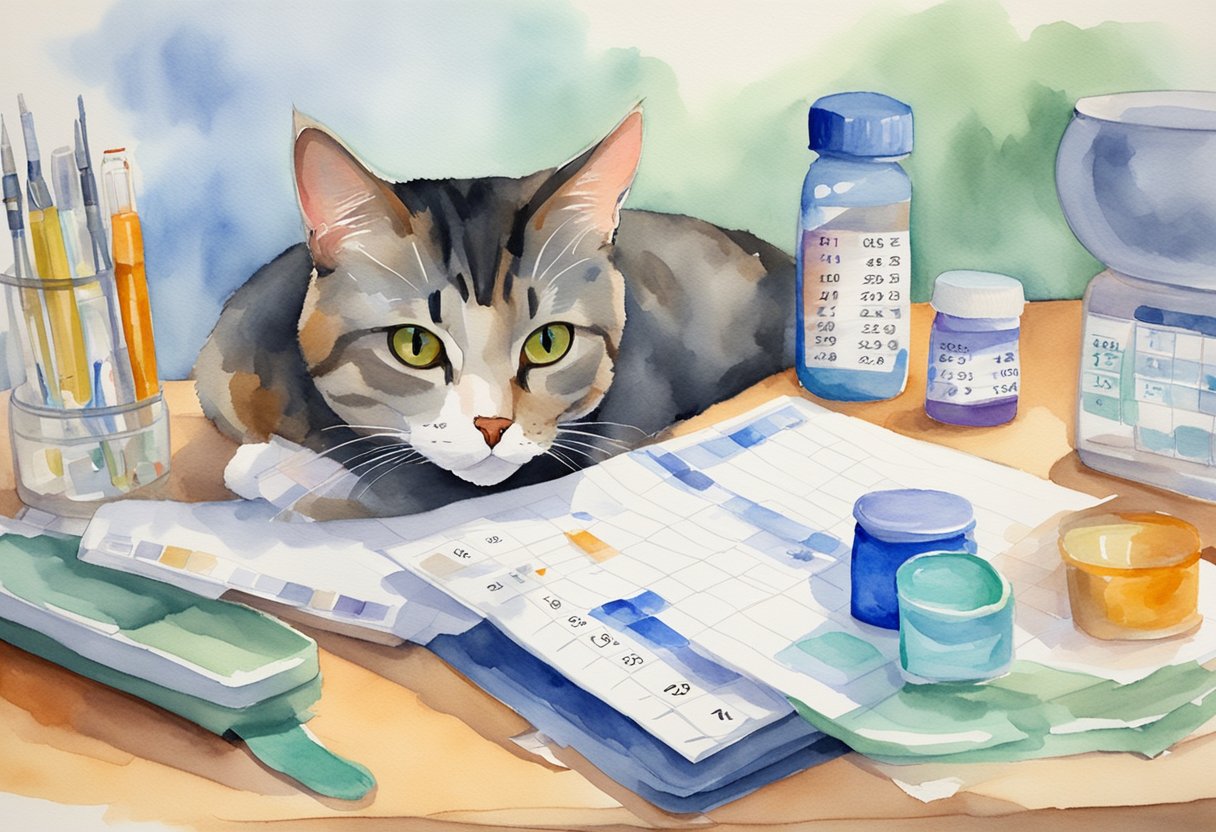
Think of it this way: each cat is an individual with its own set of challenges; a diet that is low in carbohydrates and rich in protein can work wonders for one, while another may not tolerate it as well. Regular check-ups are crucial because diabetes can lead to other health issues like hypertension, which can impact vital organs if not monitored and controlled.
Understanding Cats And Diabetes
When your beloved feline companion is diagnosed with diabetes, it’s important to understand the condition thoroughly.
Types of Diabetes in Cats
Just like humans, cats can suffer from different types of diabetes, primarily Type I (insulin-dependent) and Type II (non-insulin-dependent). In Type I diabetes, the pancreas fails to produce sufficient insulin, which is vital for regulating blood sugar levels.
On the other hand, Type II diabetes is characterized by the body’s inability to use insulin effectively, often linked to obesity in cats.

Causes and Risk Factors
Several factors can influence the onset of diabetes in your cat. Obesity is a significant risk, particularly in cats that live a sedentary indoor lifestyle.
With age, your cat’s risk increases, and male cats are more commonly affected. Certain breeds may predispose your furry friend to the condition, and secondary diseases like pancreatitis may contribute as well.
- Age: Older cats are at higher risk.
- Gender: Males are more commonly affected.
- Lifestyle: A sedentary indoor life can contribute to obesity and diabetes.
- Medical History: Use of glucocorticoids for other conditions can be a risk factor.
Signs and Symptoms
Pay close attention to your cat’s habits and health, as several signs could indicate diabetes. Common symptoms include:
- Increased thirst
- Excessive urination
- Unexpected weight loss
If your cat starts drinking water as if it discovered a new hobby or frequents the litter box more than usual, it’s time to consult your veterinarian. Weight loss, despite a healthy appetite, is also a telltale sign. Remember, these symptoms don’t definitively confirm diabetes; only a professional diagnosis can do that
Diagnosis and Monitoring
Detecting and managing diabetes in your cat is a two-step dance: first with your vet for a definitive diagnosis, and then at home, where you’ll need to watch their condition daily.
Veterinarian Diagnosis Process
When you take your feline friend to the vet for a diabetes check, a thorough diagnosis typically involves a combination of blood tests and a urine sample. These initial tests assess your cat’s blood glucose levels, which, if consistently high, may indicate diabetes.
- Blood tests: A Complete Blood Count (CBC) and a Serum Biochemistry Profile are standard. These tests give your vet a broad spectrum of information about your cat’s health and specifically their glucose levels.
- Urine analysis: It helps confirm the presence of diabetes by checking for glucose and ketones in your cat’s urine.
Home Monitoring Practices
After diagnosis, monitoring your diabetic cat at home is crucial to manage their condition effectively.
- Glucometer: You can use this device to measure your cat’s blood glucose levels from the comfort of your home. It’s less stressful for your pet and handy for keeping regular tabs on their condition.
- Blood Glucose Curves: Periodically, throughout the day, you’ll record the blood glucose levels to create a curve. This can help your vet adjust insulin dosages accurately.
- Observation: Always be on the lookout for changes in your cat’s habits, such as drinking and urination patterns.
Treatment and Management
Properly managing your cat’s diabetes requires a balance of several crucial elements, including consistent insulin therapy and a carefully controlled diet, along with ensuring regular physical activity.
These measures can help maintain your cat’s blood sugar levels and, with close monitoring, may even lead to remission. Now, let’s explore what’s involved in the treatment and management of a cat with diabetes.
Insulin Therapy
Injectable insulin is vital in the treatment of feline diabetes as it compensates for the insulin your cat’s body can’t produce efficiently. Insulin injections may be required once or twice daily, depending on the type of insulin and your cat’s needs.
The two types of injectable insulin commonly used are glargine insulin and prozinc, both of which have their specific administration protocols. It’s important to handle hypoglycemia (low blood sugar) with care, as an overdose of insulin can be dangerous.
Diet and Exercise
A low-carbohydrate diet is critical to managing feline diabetes effectively. This often means transitioning your cat from dry food to wet food, as canned foods typically have fewer carbohydrates. Ensuring your cat maintains a healthy weight is also key in diabetes management.
This might involve weight management programs specifically tailored to your cat’s needs. -Regular physical activity helps improve insulin sensitivity and contributes to overall better blood sugar control.
Regular playtime can be beneficial, but also make sure to adapt exercise to your cat’s ability and interest, which may vary with age and health.
Potential Complications
Even with excellent management, diabetic cats may still face potential complications. Be vigilant for signs of ketoacidosis, a serious condition resulting from insufficient insulin. Symptoms can include lethargy, vomiting, and dehydration—an emergency situation that requires immediate veterinary care.
Additionally, ensure your cat’s hydrationlevels are maintained; dehydration can be both a sign of unmanaged diabetes and a contributing factor to worsening health. Lastly, regular check-ups can detect and head off other complications such as diabetes-related hypertension.
Living with Diabetes
When your cat is diagnosed with diabetes, understanding the daily care they require, the possibility of remission, and the financial impact are vital. Your feline friend’s quality of life can remain high with the right approach and knowledge.
Daily Care and Adjustments
Proper daily management is essential for cats living with diabetes. Monitoring their blood sugar levels is a task you’ll integrate into your routine, ensuring their glucose is within a healthy range.
You will need to administer daily insulin injections, and this might seem daunting at first, but many pet parents adapt quickly. Adjusting their feeding schedule to align with these injections and providing a special diet that helps stabilize blood sugar levels are just as crucial.
Here’s a quick reference to help you get started:
- Feeding Schedule: Twice a day, consistent times
- Insulin Administration: Post-meal, as directed by your vet
- Blood Glucose Monitoring: Frequency as advised by your vet
Potential for Remission
While not guaranteed, some cats might achieve diabetic remission, where they no longer require insulin injections. This is more likely with early detection and diligent management of their condition.
A special diet and maintaining a healthy weight can increase the chances of remission. However, even in remission, it’s important to continue monitoring for any changes, as relapse can occur.
Financial Considerations
The costs of caring for a cat with diabetes can add up. You’ll need to budget for:
- Medications: Insulin and syringes
- Special Diets: Prescription food
- Veterinary Care: Regular check-ups and emergency visits
- Monitoring Supplies: Glucometer and test strips
Insurance can help mitigate some of these expenses, but it’s important to review your policy for coverage details. While managing diabetes does have cost implications, the investment in your cat’s health can allow them to lead a fulfilling life with you at their side.


My name is James, and welcome to FAQCats!
Along with our team of cat owners, expert pet enthusiasts, and pet professionals, we aim to write engaging helpful, engaging content about cats. At FAQCats we strive to provide content that’s accurate and fun to read. Our team writes about everything related to cats; even the most complex of topics. Through extensive research and caring for our own fur-pals, we’re able to provide something cat owners worldwide will love. Have a look around, and leave us feedback anytime!