


When your cat contracts rabies, a fast-acting and fatal virus, the time it can live with the condition is unfortunately very short. Typically, after the onset of symptoms, a cat may survive only a few days. Rabies is transmitted through the bite of an infected animal, and once symptoms have begun, the disease is invariably fatal.
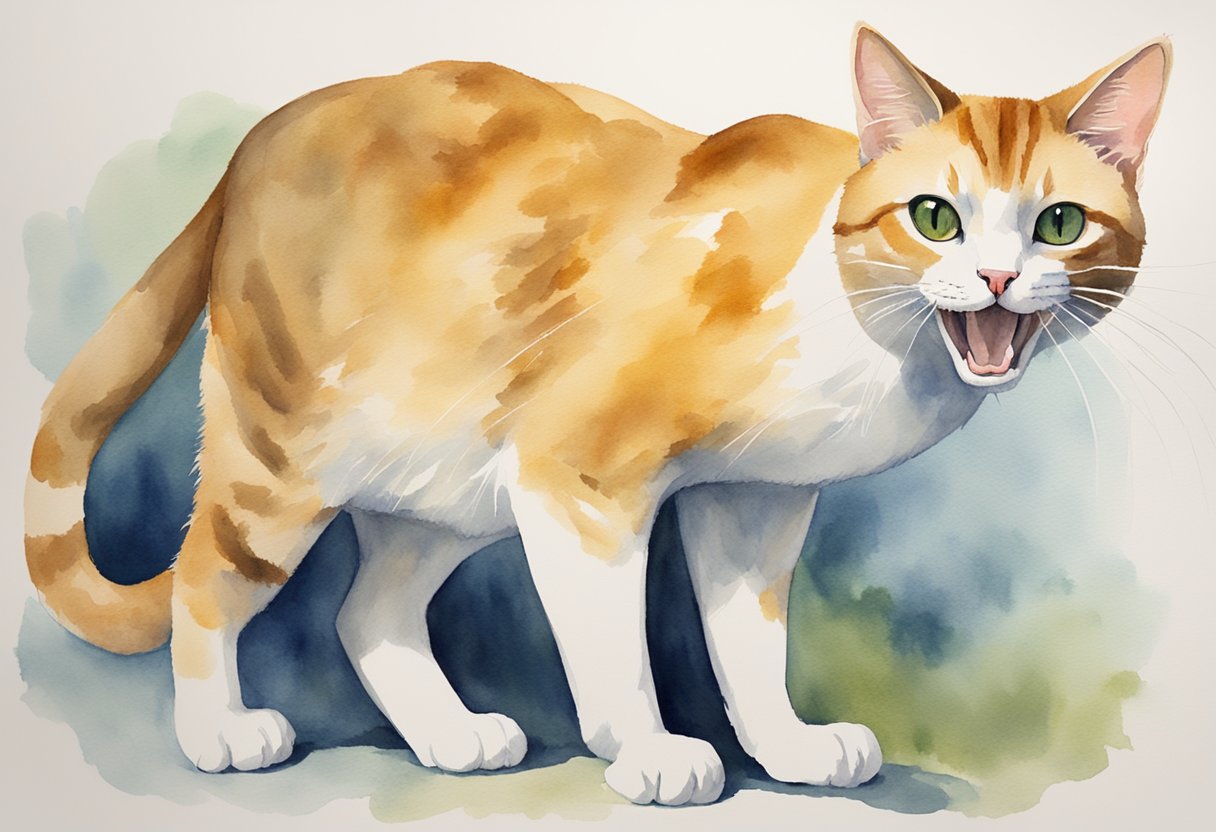
Ensuring your cats are vaccinated against rabies is the most reliable method for prevention. Annual vaccinations are not only a part of responsible cat ownership but are also a legal requirement in many places.
This vaccination acts as a shield, protecting your furry friend from this deadly virus and providing peace of mind. If you’re unsure about your cat’s vaccination status, it’s crucial to consult with your vet as they can give you the needed guidance and administer the vaccine if necessary.
If there’s an incident, such as your cat being bitten by an unknown or wild animal, seek immediate veterinary care. Early intervention is key, even if your cat is vaccinated, as your vet may recommend a booster shot or other treatments to enhance protection against the virus.
Understanding Rabies in Cats
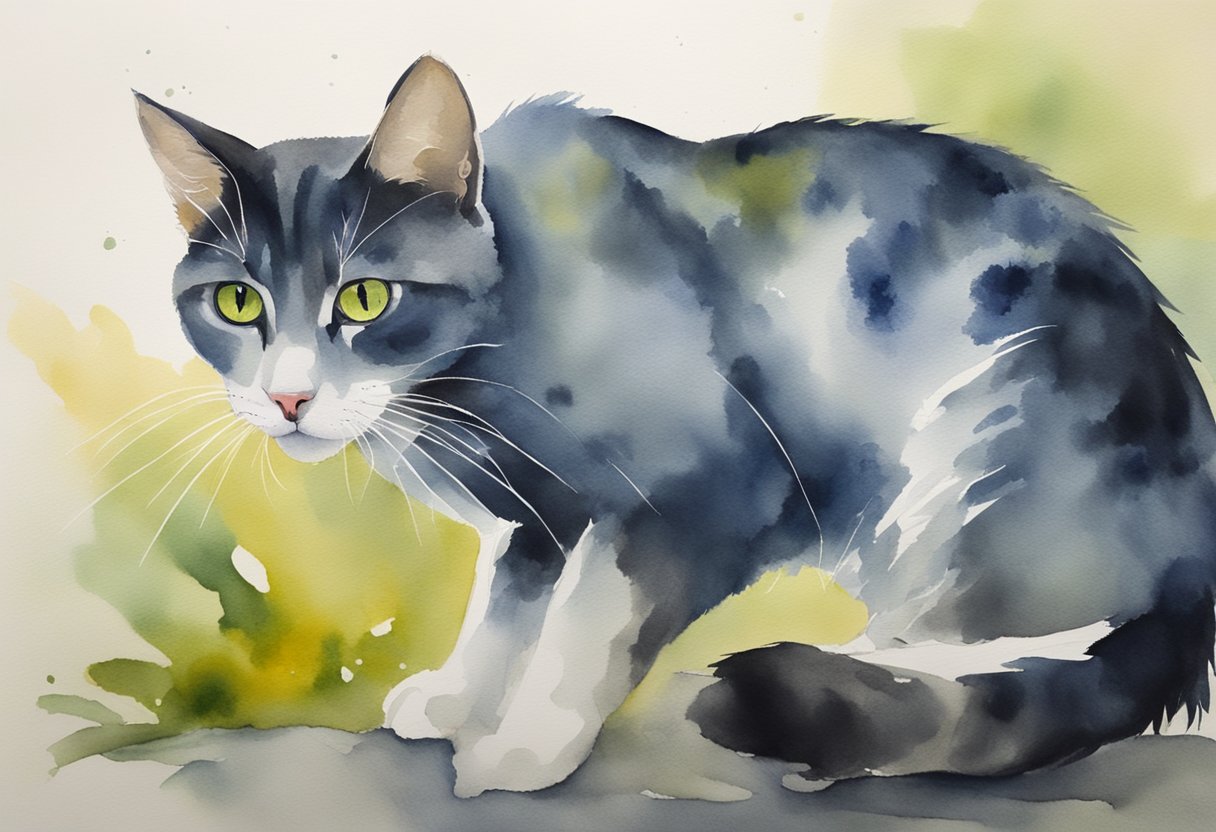
Rabies is a serious virus that affects the nervous system of all mammals, including cats, and is often fatal once symptoms appear. Your role in prevention and early recognition is crucial.
Transmission and Virus Characteristics
The rabies virus is transmitted predominantly through the bite of an infected animal, as the virus is present in the saliva. Cats can be infected by wild animals, commonly bats or raccoons in many regions. Once the rabies virus enters the body, it travels to the brain via the peripheral nervous system.
- Transmitters: Bats, wild animals
- Affected System: Nervous System
- Transmission Method: Bite, saliva
Signs and Progression of Rabies
Early signs in your cat can be subtle, displaying changes in behavior such as restlessness. As the disease progresses, it moves through stages – prodromal, furious, and paralytic. Symptoms such as fever, aggressive behavior, excitableepisodes, foaming at the mouth, paralysis, and seizures can appear. The timing can vary, but once signs begin, deterioration is rapid.
- Initial Signs: Behavioral changes, restlessness
- Stages:
- Prodromal: Behavioral changes
- Furious: Excitability, aggression
- Paralytic: Paralysis, seizures
Diagnosis and Testing
Diagnosis is mainly done postmortem by examining brain tissue for the rabies virus since no definitive test exists for living animals. When your cat shows signs of rabies, a veterinarian must be consulted immediately for suspected testingand diagnosis, which can protect public health.
- Testing: Postmortem brain tissue analysis
- Consult: Veterinarian when symptoms are present
Treatment and Management
There is no treatment once a cat shows symptoms of rabies; euthanasia is generally recommended. To manage rabies risk, ensure your cat is vaccinated in accordance with law and public health guidelines.
Minimizing contact with at-risk wildlife and quarantine measures are other crucial control strategies. Vaccination is the most effective preventionmethod, especially for both vaccinated and unvaccinated cats in rabies-endemic areas.
- Prevention: Vaccination
- Management: Quarantine, avoid wildlife
Rabies Effects on Cat Behavior
Rabies is a serious viral disease that affects a cat’s central nervous system, leading to behavioral changes that can escalate rapidly.
Behavioral Signs of Rabies
Initially, a cat infected with rabies may show subtle changes in behavior, such as anxiety or irritability. As the virus progresses, they might exhibit more pronounced signs:
- Aggression: Even the friendliest cats can become hostile.
- Excessive drooling: Due to difficulty swallowing, your cat may drool more than usual.
- Loss of appetite: They might stop eating or show disinterest in food.
Stages of Rabies in Feline Behavior
Rabies progresses through several stages in cats:
- Prodromal stage: Behavioral changes start to surface.
- Furious stage: Cats may become excitable and overly aggressive.
- Paralytic stage: The final phase leads to paralysis and eventually, death.
Interactions with Humans and Pets
Cats with rabies might unpredictably bite or scratch, which can transmit the virus to humans or other pets through open wounds. It’s critical to maintain a safe distance from pets showing signs of rabies.
Handling and Safety Precautions
If you suspect rabies:
- Do not touch the cat with bare hands.
- Call a veterinarian immediately for advice on safe handling and next steps.
- Quarantine may be necessary to prevent the spread of the virus.
Dealing with Unvaccinated and Feral Cats
Unvaccinated and feral cats are more vulnerable to rabies. Ensure your pets’ vaccines are current, and be cautious around unfamiliar cats, especially if they show odd behavior.
End-of-Life Considerations
Unfortunately, once a cat shows symptoms of rabies, the disease is nearly always fatal. Euthanasia is often recommended to prevent suffering and limit the spread of the virus.
Coping with a Rabid Cat
It’s an emotional challenge to discover your cat might have rabies. Remember, acting swiftly and contacting your vet can safeguard the well-being of your cat and everyone around it.
Prevention and Protection
Keeping your beloved feline friend protected from rabies is a crucial aspect of responsible cat ownership. The emphasis on prevention cannot be overstated—taking proactive measures can help ensure your pet’s safety as well as the safety of those around it.
Vaccination and Immunity
Regular vaccinations are the foundation of rabies prevention. The Centers for Disease Control and Prevention (CDC)strongly recommends keeping rabies vaccinations up-to-date for all cats as a core component of public health.
Typically, kittens receive their first rabies vaccine at around 12-16 weeks of age, followed by a booster shot a year later. Adult cats should be vaccinated every 1-3 years, depending on the vaccine used.
| Age | Vaccine | Booster |
|---|---|---|
| 12-16 wks | First Dose | – |
| 1 year | Second Dose | – |
| 1-3 years | Adult Dose | As needed |
Vaccinating your cat not only builds immunity but is often mandated by law. Many regions have regulations requiring rabies vaccines for domestic pets, acknowledging its effectiveness in preventing a zoonotic disease that can leap from wildlife to humans.
Dealing with Exposure
Should your cat be exposed to potentially rabid animals, immediate and informed action is necessary. Typically, raccoons, skunks, foxes, and bats are common carriers of the virus. If you suspect an exposure incident, such as a bite or contact with saliva on mucous membranes, consult a veterinarian promptly.
Preventing exposure is key:
- Keep cats indoors or supervise them closely outdoors.
- Educate yourself about rabies-free countries and islands, and be extra cautious if traveling with your pet to a region where rabies is common.
- If a bite wound does occur, quarantine protocols come into play. A typically unvaccinated cat will often be quarantined for at least 10 days to observe for signs of rabies.


My name is James, and welcome to FAQCats!
Along with our team of cat owners, expert pet enthusiasts, and pet professionals, we aim to write engaging helpful, engaging content about cats. At FAQCats we strive to provide content that’s accurate and fun to read. Our team writes about everything related to cats; even the most complex of topics. Through extensive research and caring for our own fur-pals, we’re able to provide something cat owners worldwide will love. Have a look around, and leave us feedback anytime!