


If you’ve noticed your cat’s lip is swollen, it’s a sign that something isn’t right with your feline friend. Throughout my time caring for cats, I’ve seen a range of reasons behind swollen lips, from the common food allergies to the less frequent but serious dental abscesses.
Just like humans, cats can have allergic reactions to certain foods or environmental elements, which can result in noticeable swelling of the mouth area.

Swollen lips in cats are not just about aesthetics; they can point to underlying health issues that may need attention. For example, a simple case of swollen lips I encountered turned out to be a reaction to a new brand of cat food, while another incident was due to a run-in with a bee in the garden.
These situations highlight the importance of observing any other accompanying symptoms, such as whether the swelling is accompanied by scratching, which could indicate an itching discomfort commonly linked with allergies.
It’s crucial to monitor your cat’s behavior and overall health when you spot a swollen lip.
In some cases, the swelling can be attributed to a physical injury or a dental problem that your cat might have sustained while exploring their territory.
What’s Behind A Cat’s Lip Swelling
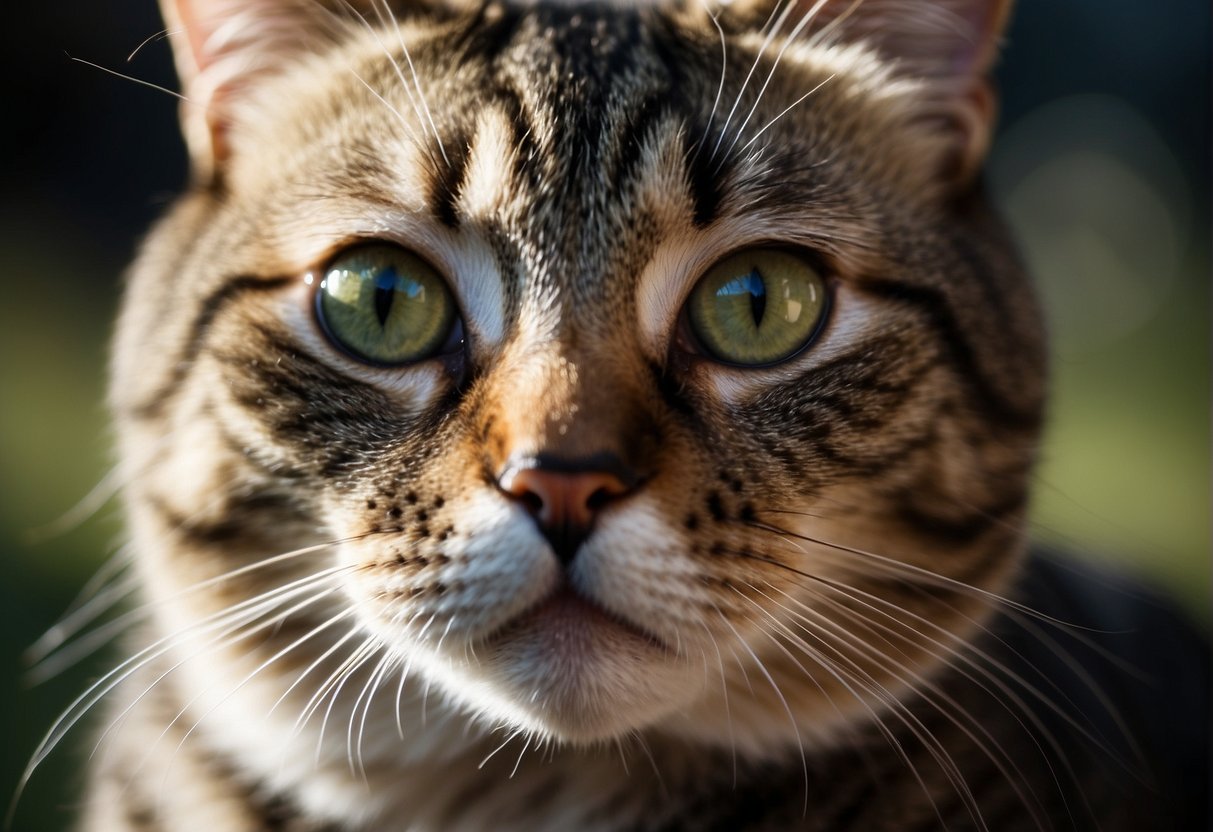
When your cat’s lip is swollen, it’s usually a sign that something’s not quite right. The causes can range from innocuous to serious, requiring keen observation and quick action.
Common Causes of Swollen Lips
Allergic Reaction: Your cat may develop a swollen lip due to an allergic reaction. This can stem from a food allergy, environmental allergens, or something they’ve come into contact with.
- Food Allergy: Ingesting certain foods can trigger swelling if your cat has a sensitivity.
- Environmental Allergies: Pollen or household chemicals can also contribute to lip swelling.
Infection: Swollen lips can be caused by an infection.
- Bacterial Infection: Injuries to the lip can become infected with bacteria, leading to swelling.
Eosinophilic Granuloma: Part of the eosinophilic granuloma complex, it’s an immune-mediated condition that can cause lip inflammation.
Tumor or Cancer: While more rare, a swollen lip could indicate a growth, such as a tumor or cancer, warranting immediate veterinary attention.
Abscess: An accumulation of pus due to a bite or other injury can form an abscess and cause the lip to swell.
Dental Disease: Dental issues can lead to swelling in the nearby lip area.
Symptoms and Diagnosis
Swollen lips in cats can also be accompanied by other symptoms, making vigilant monitoring key for a timely diagnosis.
- Redness or Ulcers: Look for red, irritated, or ulcer-like areas on the lips.
- Drooling: Increased salivation can indicate pain or discomfort.
Assessing your cat’s behavior and physical symptoms is important, but only a veterinarian can provide a definitive diagnosis.
They may use methods such as blood tests, biopsies, or allergy testing to pinpoint the cause.
Medical Treatment and Home Care
When your cat’s lip is swollen, it’s important to understand when to seek medical help, what treatments may be available, and how you can manage the condition with home remedies. Prompt attention can prevent complications and ensure your furry friend stays comfortable.
When to Visit the Vet
If you notice your cat’s lip is swollen, it’s crucial to monitor them closely.
Schedule a visit to the vet if the swelling persists for more than a day, seems painful, is accompanied by lethargy or a refusal to eat, or if your cat exhibits any unusual behavior.
Immediate attention by your vet is required in the event of an accident or if an allergic reaction is suspected.
Available Treatments
Once at the vet, they may prescribe a range of treatments depending on the diagnosed condition:
- Antibiotics: For infections, such as dental abscesses.
- Steroids or Anti-Inflammatory Drugs: To reduce inflammation and swelling caused by allergies or injury.
- Surgery: In rare cases, if there’s an underlying growth or a foreign object, surgery might be needed.
Make sure to follow the vet’s medication guidelines, as proper dosing is key to your cat’s recovery.
Home Remedies
Some mild swelling can be managed at home with:
- Warm Compress: Apply a warm cloth to the area to reduce discomfort.
- Diet Adjustment: If allergies are suspected, a food elimination diet may help identify the culprit.
Always check with your vet before administering home remedies to ensure they are safe and appropriate for your cat’s specific condition.
Remember, while home treatments can be supportive, they should never replace professional veterinary care.
Long-Term Management and Prevention
When dealing with a swollen lip in your cat, it’s crucial to first identify and manage the immediate cause. But, for the long haul, you’ll want to focus on preventing the issue from recurring.
This involves taking proactive steps in your cat’s diet, environment, and healthcare to maintain oral health and identify potential allergens.
Dietary Considerations
If food allergies are suspected, allergy testing by your vet can guide you to a suitable diet for your cat.
An elimination diet, where ingredients are removed and then slowly reintroduced, can identify specific allergens. Keep in mind:
- Choose hypoallergenic cat food: If your cat is diagnosed with a food allergy, shifting to specially formulated food can reduce symptoms.
- Monitor for reactions: Especially in breeds prone to dental issues, keep an eye out for swelling, scabs, or drooling after meals, which could signal a reaction.
Environmental Adjustments
Your cat’s environment plays a pivotal role in managing allergies and preventing dental problems. Be vigilant about:
- Limit exposure to allergens: Whether it’s certain fabrics or household plants, remove potential allergens from your cat’s reach.
- Good oral hygiene: Regular brushing of your cat’s teeth can prevent plaque and tartar build-up, in turn reducing the risk of gingivitis and stomatitis.
Routine Veterinary Care
Establishing consistent veterinary check-ups is essential for long-term oral health and managing conditions like pemphigus or immune system-related diseases.
- Regular dental check-ups: Early detection of dental issues can prevent severe conditions like periodontal disease.
- Ongoing health monitoring: Your vet can track changes in your cat’s gums and teeth. They can also spot early signs of systemic issues that might affect your pet’s mouth.


My name is James, and welcome to FAQCats!
Along with our team of cat owners, expert pet enthusiasts, and pet professionals, we aim to write engaging helpful, engaging content about cats. At FAQCats we strive to provide content that’s accurate and fun to read. Our team writes about everything related to cats; even the most complex of topics. Through extensive research and caring for our own fur-pals, we’re able to provide something cat owners worldwide will love. Have a look around, and leave us feedback anytime!