
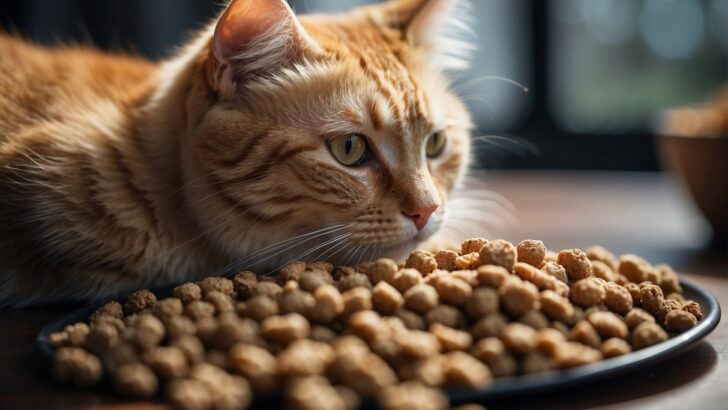
Cats should not regularly eat freeze-dried dog food, as it lacks the essential nutrients that felines require. As a cat owner, you might have noticed how your furry friend sometimes shows a keen interest in the dog’s meals, possibly sneaking a few bites here and there. This behavior is common but not recommended as a habit.
The occasional nibble of freeze-dried dog food likely won’t harm your cat, but consistent feeding can lead to nutritional deficiencies.
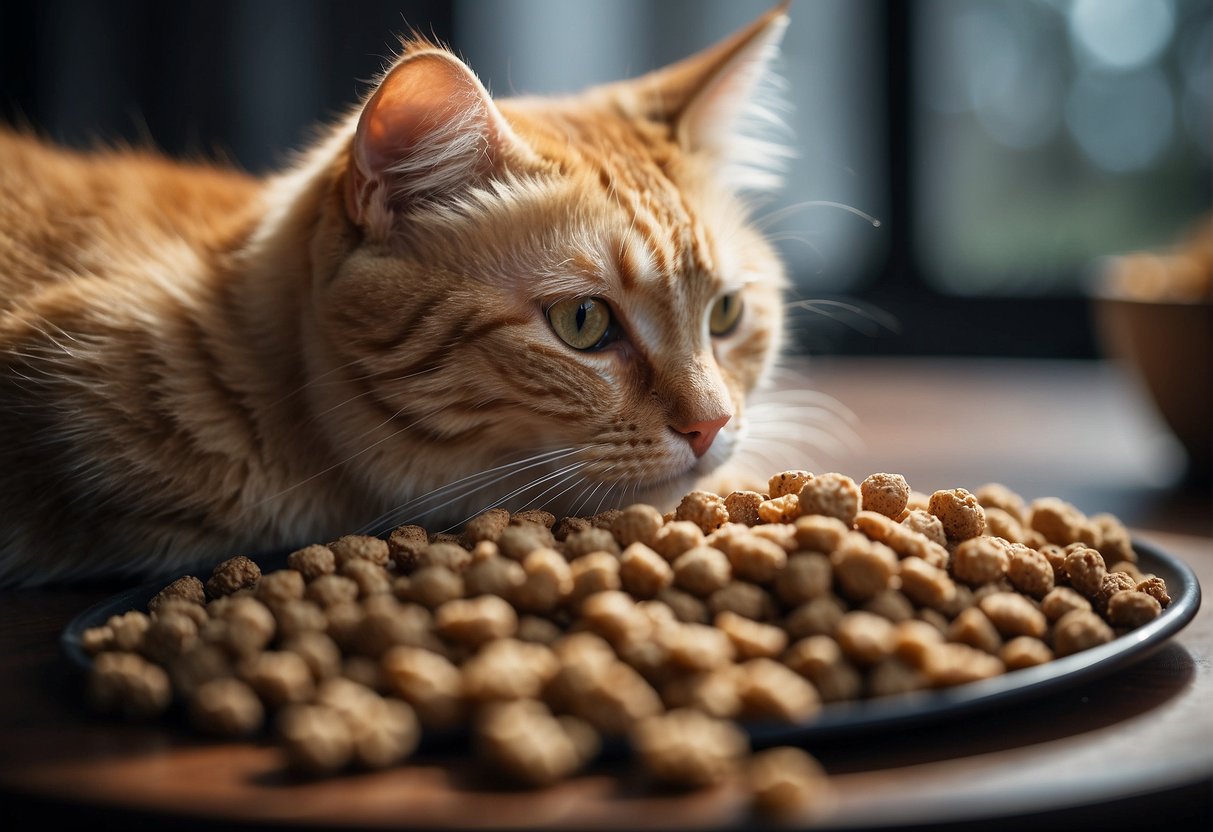
Dog food is formulated with canines in mind, focusing on their dietary needs which differ from those of cats. For instance, cats require a higher level of protein and certain amino acids like taurine, which is not always sufficiently present in dog food.
One time, during a busy week, I made the mistake of letting my pet finish some leftover dog kibble; I quickly realized it wasn’t suitable as she became lethargic and her coat lost some of its usual luster.
As pet parents, ensuring our cats get the proper nutrition tailored for their species is crucial.
Freeze-dried cat food may be a suitable alternative, as it is designed to offer all the nutrients a cat needs in appropriate quantities.
Always keep your cat’s diet aligned with their specific needs, which include a high protein intake, essential fatty acids, vitamins, and minerals that support their overall health.
Nutritional Needs of Cats
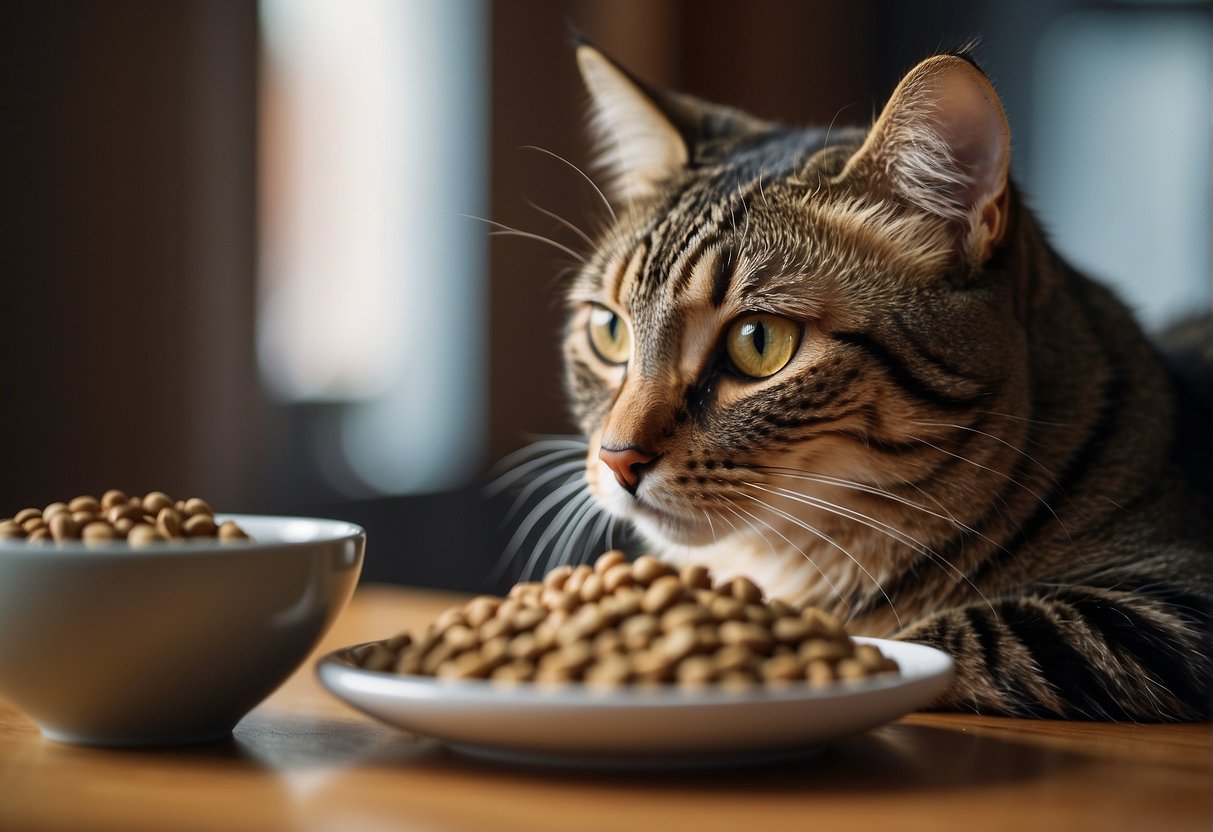
As a devoted cat owner, you understand that your feline friend’s health hinges on getting the right nutrients in their diet.
Like fine-tuning a high-performance engine, you’ll want to ensure your cat’s intake of essential nutrients is just right for their well-being.
Essential Nutrients for Feline Health
Cats are obligate carnivores, meaning they require a diet high in animal-based proteins. They depend on certain amino acids like taurine and arginine, which are naturally found in meat.
Taurine, for example, is crucial for a cat’s vision, digestion, and heart function. Here’s a quick rundown of the essential nutrients your cat needs:
- Protein: The building block of your cat’s body, essential for growth and repair.
- Amino Acids: Taurine and arginine are vital, where taurine supports many critical biological processes.
- Vitamin A: Unlike dogs, cats cannot synthesize vitamin A from beta-carotene in plants and need it pre-formed in their diet.
- Arachidonic Acid: An essential fatty acid found in animal tissue.
- Vitamins and Minerals: Cats need a well-balanced suite, including B vitamins, calcium, and phosphorus.
Comparisons Between Cat and Dog Food
When looking at cat food versus dog food, the differences are tailored to each species’ dietary requirements.
Cat food typically has a higher protein content and is enriched with vitamins and minerals specific to feline health like vitamin A and taurine.
| Nutrient | Cat Food | Dog Food |
|---|---|---|
| Protein | High | Moderate |
| Amino Acids | Taurine included | Not always present |
| Vitamin A | Pre-formed | Can be synthesized |
| Arachidonic Acid | Present | Often absent |
Cats consuming dog food may face nutritional deficiencies, as dog food lacks these essential components.
Even freeze-dried dog food that’s convenient and might seem tempting as a treat doesn’t meet the unique requirements of cat nutrition.
Always remember, the best way to keep your purring companion in tip-top shape is by providing a balanced diet designed specifically for them.
Safety and Health Considerations
When pondering whether to share your pup’s freeze-dried feast with your feline, it’s crucial to understand the health and safety implications. Your cat’s well-being is paramount, and a little insight goes a long way to ensure they stay happy and healthy.
Risks of Feeding Cats Dog Food
Dog food, including freeze-dried varieties, typically lacks essential nutrients that cats require.
Taurine deficiency is a key concern, as cats need this amino acid to prevent heart disease and maintain proper eye health. Unlike dogs, cats cannot synthesize enough taurine on their own, so they must receive adequate amounts through their diet, often found in animal-based proteins like salmon and chicken.
Continually feeding your cat dog food can lead to liver problems and other health risks due to the nutrient imbalances.
While an occasional nibble from the dog’s bowl isn’t necessarily dangerous, making it a habit can lead to disease and malnutrition.
Precautions with Raw and Freeze-Dried Foods
Freeze-dried pet food carries a risk of pathogens such as Salmonella, E. coli, and Listeria.
While the freeze-drying process is believed to reduce the presence of such bacteria, it doesn’t always eliminate them completely.
Always handle these foods with care, and store them as directed to mitigate the risk of contamination.
When opting for raw or freeze-dried foods, make sure they meet AAFCO standards for a complete and balanced diet, and always consult with your vet to ensure you’re providing safe and suitable options.
Be vigilant about dehydration as well—freeze-dried foods lack moisture, a critical component for your cat’s hydration levels, particularly considering their natural low thirst drive.
Understanding Freeze-Dried Dog Food
When considering what to feed your pets, it’s essential to understand the various food processing methods and diets available.
Freeze-dried dog food is gaining popularity for its convenience and longevity, but as a cat owner, you’ll want to evaluate if it’s an appropriate choice for your feline friends.
Processing and Preservation
Freeze-drying is a process that removes moisture from dog food under low temperature and vacuum, effectively creating a shelf-stable product that retains most of its original nutritional value.
This method of preservation does not typically require the addition of artificial preservatives, which allows the food to maintain a more natural profile.
The high-pressure processing (HPP) sometimes applied in creating freeze-dried pet food can eliminate pathogens, making it safer for consumption while still extending its shelf life without compromising on quality.
- Freeze-Dried Processing Steps:
- Freezing: The dog food is flash-frozen.
- Low-Pressure: A vacuum is applied, lowering the pressure around the food.
- Sublimation: The frozen water in the food transitions directly from solid ice to vapor.
Dietary Benefits and Limitations
Freeze-dried dog food is seen by some as a modern alternative to traditional kibble or dry food, offering a diet closely resembling the natural raw diet many dogs would have in the wild.
For cat owners, understanding the nutritional value of dog food is vital, since cats have different dietary requirements.
A complete and balanced diet for dogs may not align with what’s necessary for cats, given their specific needs for nutrients like taurine.
While this pet food option may also present a higher nutritional value compared to some heavily processed foods, it can be limited in meeting your cat’s dietary needs.
Cats require a diet high in protein and specific amino acids, which means that even a limited ingredient dog food may not suffice.
The FDA oversees pet food labels ensuring “complete and balanced” claims meet the nutritional profiles for pets; however, this is species-specific.
A complete and balanced diet for dogs will differ from what is necessary for a cat, so a direct substitution is not recommended.
Feeding Guidelines and Alternatives
Before you consider feeding your cat freeze-dried dog food, it’s essential to understand the nutritional needs of cats and the potential impact of dog food on their health.
Tailoring your cat’s diet to their specific requirements can ensure they remain healthy and energetic.
Consulting with a Veterinarian
Always check with your veterinarian before introducing any new food to your cat’s diet, especially one that’s not specifically designed for them, like freeze-dried dog food.
Your vet can advise on nutrition that is complete and balanced for your cat’s age and life stages.
They may allow freeze-dried dog food as an occasional treat, but it’s crucial to keep it rare. A vet can also suggest necessary supplements if your cat’s regular diet needs a boost.
High-Quality Alternatives for Cats
For optimal health, feed your cat a high-quality cat food formulated for their needs. Here are some cat-friendly options:
- Canned Food: Provides hydration and is often more palatable.
- Homemade Diets: These should be designed with a vet’s guidance to ensure they’re nutritionally balanced.
- Cooked or Dehydrated Cat Treats: Serve as a better-suited snack over dog treats.
- Freeze-Dried Cat Food: Specifically made for cats, these contain the required taurine and other essential nutrients that cats need.
Remember, your cat’s nutrition is the cornerstone of their energy and happiness.
While it’s tempting to simplify feeding routines, especially in a multi-pet household, it’s vital to cater to each pet’s unique dietary needs.


My name is James, and welcome to FAQCats!
Along with our team of cat owners, expert pet enthusiasts, and pet professionals, we aim to write engaging helpful, engaging content about cats. At FAQCats we strive to provide content that’s accurate and fun to read. Our team writes about everything related to cats; even the most complex of topics. Through extensive research and caring for our own fur-pals, we’re able to provide something cat owners worldwide will love. Have a look around, and leave us feedback anytime!